

























Chimpanzee Betrayal: Scientists Shocked by Fatal Attacks on Allies

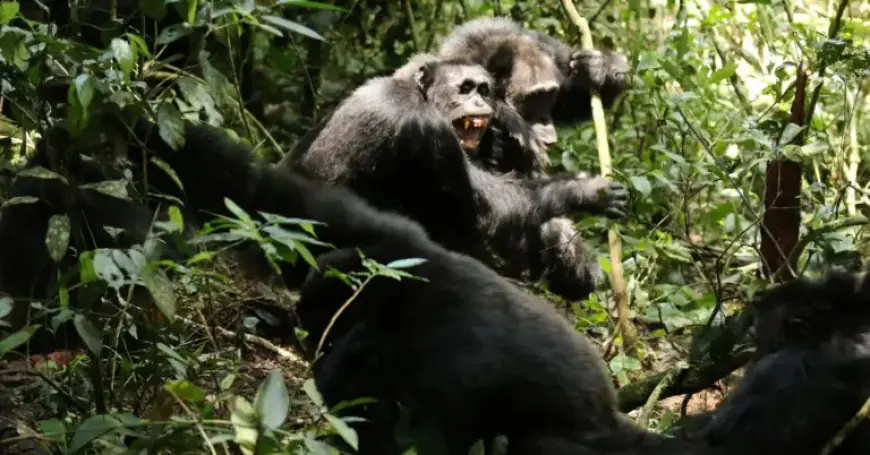
Recent observations of the Ngogo chimpanzee group in Kibale National Park, Uganda, revealed shocking incidents of aggression among previously cooperative members. Researchers have documented a range of fatal attacks that have taken place since 2018, challenging previous understandings of chimpanzee social dynamics.
Chimpanzee Betrayal: A Shift in Social Structure
For two decades, the Ngogo chimpanzees lived in a stable community, engaging in typical behaviors such as foraging and social grooming. However, this stability shattered, resulting in a significant split within the group. The coalition now appears to have divided into two factions, leading to coordinated attacks from one group on the other.
Documented Violence and Fatalities
As documented in a recent study published in the journal Science, attacks primarily targeted adult males and infants. The death toll has risen to 28 individuals since the onset of these violent events. Researchers reported that these attacks involved brutal tactics, including biting, kicking, and dragging victims.
- Total Fatalities: 28
- First Attacks Observed: 2018
- Research Initiation: 1995
- Peak Group Size: Approximately 200
Factors Leading to Violence
Several factors may have contributed to this unfortunate split. Initially, the large size of the group potentially exacerbated competition for resources and mating opportunities. Additionally, significant disruptions occurred following the 2014 deaths of seven chimpanzees due to illness, which strained social relationships.
An alpha male transition around 2015 saw a chimp named Jackson depose another, leading to increased tensions. As members of previously cohesive social clusters began to avoid one another, a violent rivalry emerged. By late 2017, two factions had crystallized, termed the Western and Central groups.
Impact on Social Dynamics
The Western group, initially smaller, managed to gain dominance over the Central group, without suffering casualties themselves. The violence exhibited by the Western group was systematic and severe, with the researchers likening the events to a form of civil conflict. However, they expressed caution against directly comparing chimpanzee aggression to human behavior due to fundamental evolutionary differences.
This study highlights a notable change in chimpanzee social dynamics, revealing complexities previously unseen in wild populations. The violent behaviors observed offer deep insights into the nature of chimpanzee relationships and conflict.
These findings reinforce the importance of ongoing research in understanding the social frameworks of chimpanzees and the implications for conservation efforts. The surprising betrayal among closely bonded individuals prompts critical questions about group dynamics and stability in primate societies.