
























El Niño Brings Warmth Following Alaska’s Coldest Winter in 50 Years

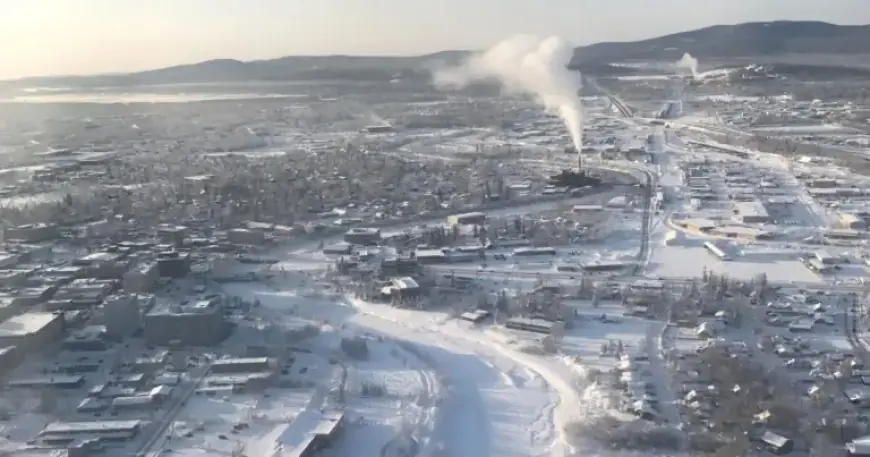
This past winter in Alaska marked a historical shift, characterized by extreme cold temperatures across the state. Alaska experienced its coldest December-through-March period in 50 years, with significant impacts in major cities. Fairbanks reported the coldest winter on record during this span, while Juneau recorded its coldest December and its snowiest winter overall. Anchorage also faced its coldest March on record, underscoring the harsh conditions.
Unprecedented Winter Conditions
The winter chill was not just a fleeting phase. Brian Brettschneider, a climate researcher with the National Weather Service, explained that a combination of atmospheric patterns contributed to the prolonged cold. Persistent high pressure over eastern Siberia aligned with low pressure in central Canada, creating a continuous northerly flow. This consistent pattern led to a multi-month freeze across Alaska.
Record Snowfall in Juneau
Juneau, typically known for its snowfall, faced record-breaking weather conditions. This winter, the city experienced its snowiest March on record, mirroring the conditions from 2007. The atmospheric flow shifted over the Central Gulf of Alaska, pulling in moisture from the subtropics. This weather pattern resulted in numerous days of snow, including a streak of ten days with at least an inch of snow.
- 10 consecutive days with 1 inch of snow
- 8 consecutive days with 2 inches of snow
Conditions in Anchorage
In Anchorage, the winter was notably cold, with March being the coldest month recorded there since the winter of 1960-61. Despite being milder compared to Fairbanks, the temperatures remained significantly below the norm throughout the winter.
El Niño’s Impact on Alaska
As Anchorage transitions to spring, a significant change looms on the horizon. Forecasts indicate that an El Niño climate pattern is developing, potentially bringing warmer temperatures. According to NOAA Climate Prediction Center, there is now a 50% chance of a strong or very strong El Niño emerging by the end of 2023.
- Projected summer temperatures: 1 to 3 degrees Fahrenheit warmer than normal
- Projected winter temperatures: 2 to 4 degrees Fahrenheit warmer than normal
This forecast aligns with expectations that an El Niño winter typically results in less snowfall across Alaska. Therefore, while residents may welcome a warmer season, it may also indicate a reduction in the snowy conditions many enjoy.
As the region braces for climatic changes, the lingering effects of this record-breaking winter will long be remembered, drawing on stories of old timers who experienced similar conditions in decades past.