























Iran Sets New Conditions, Resumes Hormuz Shipping Amidst Confusion

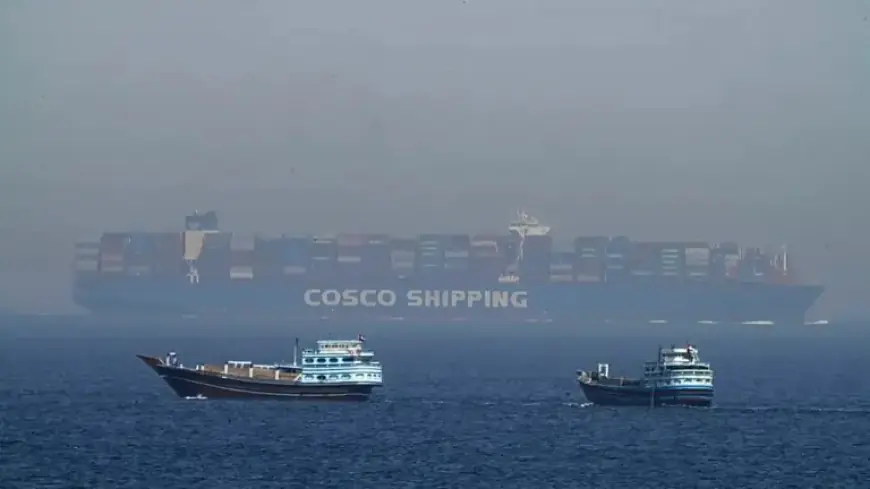
The recent ceasefire announcement between the US and Iran has led to significant uncertainties regarding the safe reopening of the Strait of Hormuz. This vital waterway is crucial for global energy shipping, and the conflicting statements from involved parties have added to the confusion. Over 24 hours post-announcement, expected maritime traffic has yet to debut.
Maritime Traffic Stalls in the Strait of Hormuz
Despite Iran’s claim on Tuesday that it would ensure safe navigation through the Strait of Hormuz during the ceasefire, actual traffic remains limited. According to ship-tracking data, only four bulk cargo vessels successfully passed through the strait in the initial 24-hour period. A different dataset reported a total of 11 ships, excluding those operating without transponders.
Iran’s Position and Alternative Maritime Routes
The Iranian Islamic Revolutionary Guard Corps (IRGC) has adopted a strict stance, suggesting alternative maritime routes to avoid potential collisions. They justified this precautionary measure by alleging the presence of sea mines, a claim that remains unverified. Their statements included:
- All ships must navigate through designated alternative routes for safety.
- Iran’s deputy Foreign Minister Saeed Khatibzadeh emphasized the requirement for ships to coordinate passage with Iran due to safety concerns.
Confusion Over Charges and Control
Iran’s announcement regarding transit fees caught the international community off guard. Ships have never paid for passage through this critical waterway, and Iran’s approach infringes on the United Nations Convention on the Law of the Sea (UNCLOS). The issuance of such fees, along with the coordination requirements, contradicts the essence of the ceasefire agreement.
Diplomatic Fallout and Reactions
Oman swiftly denied Iran’s claims about joint fee collection. The Omani Transport Minister asserted that the Strait of Hormuz is a natural waterway, thus exempt from charges. This disagreement could lead to a breach of the ceasefire, given the absence of support from Oman for Iran’s unilateral actions.
Regional Responses and Future Implications
Gulf nations have reinforced their opposition to any Iranian control over the Strait. Qatar’s Foreign Ministry voiced that the waterway should remain open and beneficial for all regional players. Further emphasizing the urgency, Chief Executive Sultan Al Jaber from Abu Dhabi’s state oil company described the current situation:
- The Strait of Hormuz is currently not open.
- Iran’s conditions for navigation equate to coercion rather than freedom of passage.
The growing tension surrounding the Strait of Hormuz reflects the fragile nature of the ceasefire agreement and highlights the need for a cohesive approach to maritime safety and navigation rights.