

























US Judge Blocks Trump Administration’s Effort to End Legal Status for 5,000 Ethiopians

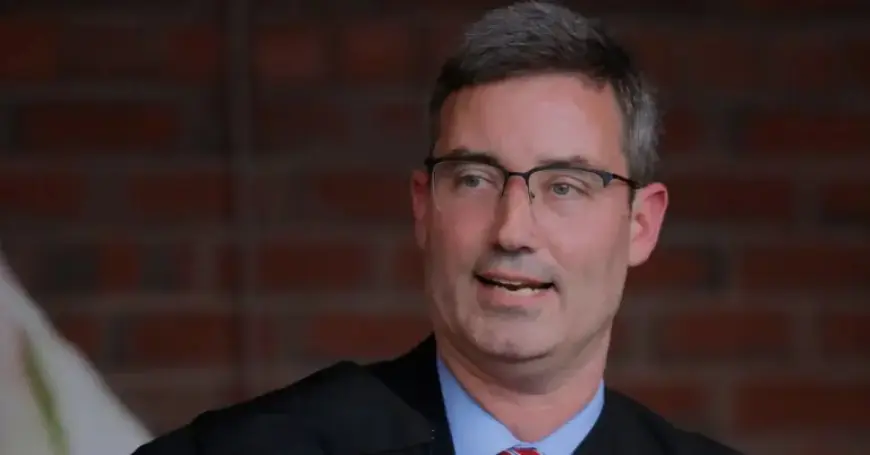
On April 8, 2023, a federal judge in Boston delivered a significant ruling halting the Trump administration’s effort to terminate Temporary Protected Status (TPS) for over 5,000 Ethiopians living in the United States. U.S. District Judge Brian Murphy expressed that the Department of Homeland Security (DHS) had acted improperly, disregarding statutory procedures essential for TPS considerations.
Background of the Ruling
The TPS designation protects individuals from countries experiencing humanitarian crises, including natural disasters and armed conflicts. The ruling marks another blow to the Trump administration’s strict immigration policies, specifically targeting the termination of TPS for nationals from 13 countries.
Key Facts and Legal Arguments
Judge Murphy’s ruling highlighted concerns regarding the motivations behind the DHS’s actions. He stated that the decision to end TPS for Ethiopians appeared to be influenced by a directive from President Trump, signed in January 2025. This directive indicated that decisions regarding TPS would likely be predetermined rather than based on thorough assessments of current conditions in Ethiopia.
- Judge Brian Murphy, appointed by former President Joe Biden, noted the dangers persisting in Ethiopia, citing ongoing armed conflicts and substantial humanitarian challenges.
- The TPS for Ethiopians was first established in 2022, providing crucial protection based on the deteriorating situation in Ethiopia.
- Despite previous extensions, the DHS announced plans to end TPS, claiming the situation in Ethiopia had improved.
Three Ethiopian nationals, along with the advocacy group African Communities Together, challenged the DHS’s decision. They argued that the administration’s rationale was superficial, masking a deeper bias against non-white immigrants. The demographic makeup of Ethiopia, primarily Black, was also an essential element in their claims.
Implications of the Ruling
This ruling reinforces the importance of upholding statutory obligations concerning TPS, as expressed by Judge Murphy. He emphasized that the President’s authority does not override Congressional intent or the lawful processes established for TPS evaluations.
Future Legal Challenges
The ruling comes as the U.S. Supreme Court is set to hear arguments on April 29 regarding the administration’s power to revoke TPS for over 350,000 Haitians and roughly 6,100 Syrians. These cases could further impact the future of TPS and immigrant protections across several nationalities.
A spokesperson for DHS criticized the ruling, framing it as an example of judicial activism aimed at obstructing Trump’s immigration reform efforts. The broader implications of this ruling and the upcoming Supreme Court hearings remain significant for TPS holders and their communities.