



















Trump’s Remarks Spark War Crimes Controversy

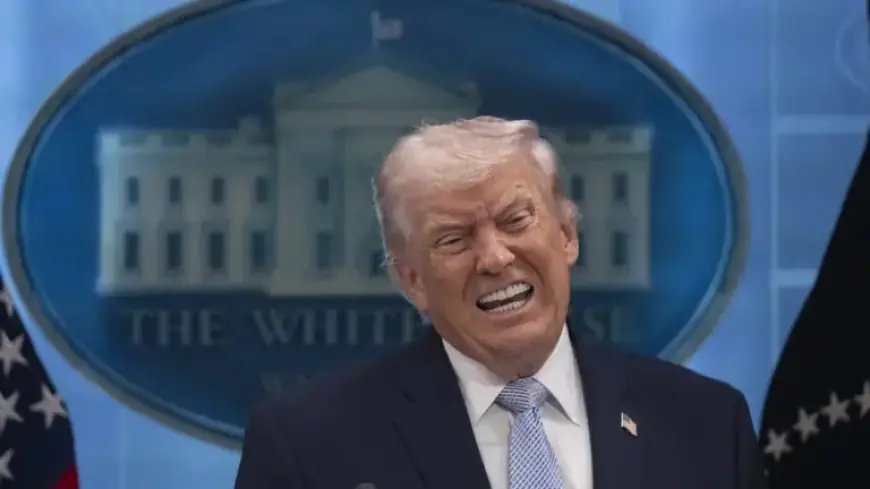
Donald Trump’s recent remarks have ignited a significant debate surrounding potential war crimes related to his comments on military actions and oil extraction in Iran. At a press conference, Trump made statements suggesting a willingness to seize oil from Iran and expressed aggressive intentions toward the country’s infrastructure.
Concerns Over War Crimes
Legal experts and analysts have raised alarms that Trump’s comments may constitute war crimes. Specifically, his threats to extract oil from Iran and to destroy civilian infrastructure have been highlighted as violations of international law.
Oil Extraction Threats
- Trump declared intentions to “take the oil” from Iran, likening it to his actions in Venezuela.
- His statements suggest financial motives, as he indicated that seizing Iranian oil would be for profit.
During a press event, Trump made it clear that his interest in Iran’s oil was financially driven, stating, “If I had my choice, what would I like to do? Take the oil, because it’s there for the taking.” This comment has been interpreted as a direct indication of his view on using military force for financial gain.
Threats to Civilian Infrastructure
- Trump vowed to destroy Iran’s power plants and bridges in his televised address.
- He suggested a total obliteration of Iran if diplomatic negotiations failed, raising concerns about potential civilian casualties.
In various statements, Trump mentioned targeting all of Iran’s electric-generating plants, warning that if no deal is reached, he would “hit each and every one of their electric-generating plants very hard.” His comments indicate a disregard for the distinction between military and civilian targets, a critical aspect of international law.
Reactions and Implications
Critics argue that Trump’s remarks could lead to significant violations of the Geneva Conventions, which aim to protect civilians during armed conflicts. His recent claims about “obliterating that country” and threatening “a whole civilization” have raised alarms about the implications of such rhetoric on international peace and stability.
- Trump dismissed concerns about targeting civilians, stating, “I don’t want to tell you that,” when asked about military targets.
- His administration’s stance towards NATO and military engagements reflects a broader attitude toward international conflict.
As tensions rise, international observers are increasingly concerned that Trump’s approach may set a dangerous precedent for U.S. military policy and global relations.
In summary, Trump’s comments on his plans regarding Iran’s resources and infrastructure have sparked controversy over war crimes and international law, leaving many to question the legality and morality of such rhetoric in governance.