

























EU Set to Challenge UK’s Emerging EV Industry

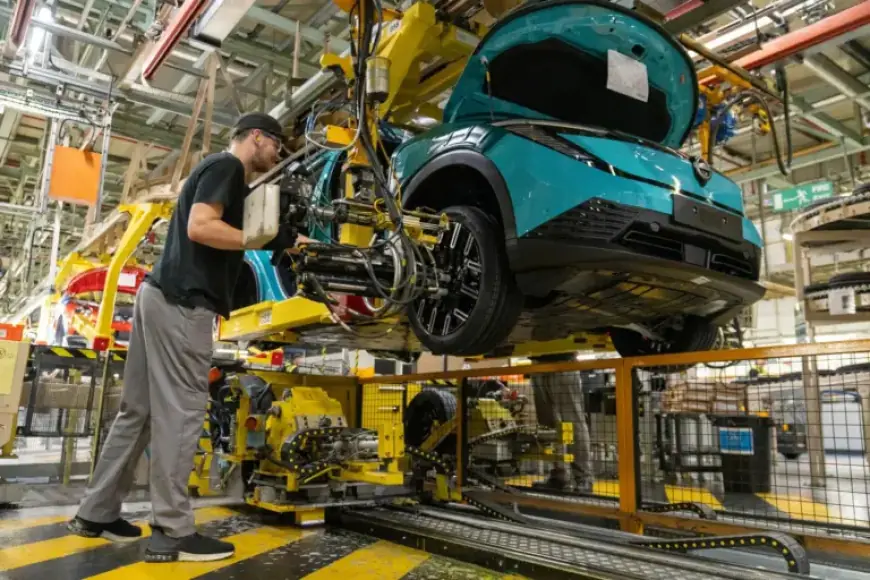
The European Union (EU) is poised to take action against the United Kingdom’s (UK) developing electric vehicle (EV) sector. This move reflects the EU’s ongoing strategy of protectionism.
Background of the EU’s Protectionist Measures
Protectionism has long been a key feature of the EU’s economic policies. The bloc often prioritizes its own industries over those of member states and external markets. With the UK’s growing EV industry, tensions are likely to escalate.
Implications for the UK’s Electric Vehicle Sector
The UK’s EV industry has seen significant growth in recent years, supported by government initiatives and consumer demand. However, the potential EU challenge raises several concerns:
- Trade Barriers: Possible tariffs on UK-made EVs could hinder market access.
- Investment: Uncertainty may dampen foreign investment in the UK’s automotive sector.
- Consumer Prices: Higher costs may be passed onto consumers if trade barriers are implemented.
Considerations for UK Policy Makers
UK leaders face a crucial decision in dealing with the EU’s protectionist stance. Suggestions for countermeasures could include introducing tariffs on EU products. However, political will may falter due to fears of economic repercussions.
This battle over trade and industry highlights the broader context of UK-EU relations post-Brexit. Navigating these challenges is essential for the continued growth of the UK’s EV market.
The Road Ahead for EV Development
The UK must strengthen its domestic policies to support the EV sector amidst external pressures. Key steps may include:
- Incentives for manufacturers to boost local production.
- Investment in EV infrastructure to enhance consumer adoption.
- Strategic partnerships with non-EU countries to diversify trade.
As the EU prepares to challenge the UK’s emerging EV industry, the stakes are high. The UK’s response will shape the future of its automotive market and its relationship with the EU.