

























Low-Cost Electric Trucks Surge Into Australian Market

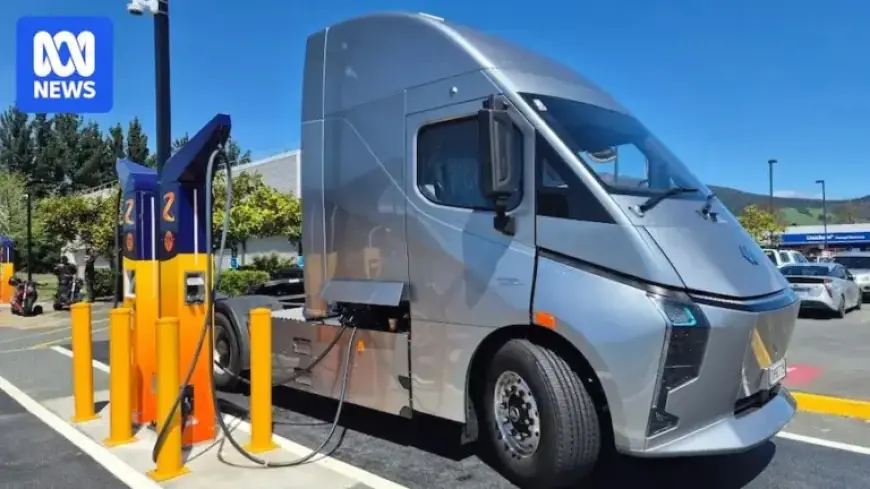
The Australian trucking industry is undergoing a significant transformation as low-cost electric trucks surge into the market. This shift is not only marked by a notable increase in sales but also reflects broader trends in sustainability and technology adoption within the sector.
Record Sales of Electric Trucks
March 2026 witnessed a historic leap in electric truck sales, with 44 units sold, representing an increase of over 500% from the previous month. For the first time, electric trucks accounted for more than 1% of total new truck sales. While this number remains modest compared to diesel trucks, the growth signals a pivotal shift in consumer preferences.
Price Parity is Here
According to a report by Mov3ment, electric trucks have reached price parity with diesel models. This means that the upfront costs of some electric trucks are now comparable to those powered by diesel. Additionally, the ongoing operational costs are reduced due to savings on fuel.
- Electric trucks range from light-duty vehicles for urban grocery deliveries to heavy-duty prime movers.
- Some electric models can tow semi-trailers for up to 300 kilometers on a single charge.
Market Dynamics: China Leads the Charge
China has become a powerhouse in electric truck production. In just five years, sales skyrocketed from nearly zero to over 230,000 units by 2025, making up more than 25% of total truck sales in the country. This surge is primarily fueled by a decline in battery prices, increased competition, and strong government incentives.
Infrastructure Development
Key transportation routes in China are equipped with ultra-fast charging stations, allowing trucks to add significant range in minimal time. These advancements are influencing the global market, with Australian transport companies now looking to benefit from this influx of affordable electric trucks.
Barriers to Widespread Adoption
Despite the encouraging sales numbers, transitioning to electric trucks presents challenges. Nearly 75% of trucks in Australia are light-duty or medium-duty models used for urban deliveries. While these can be efficiently replaced with electric alternatives, access to charging infrastructure remains a significant hurdle.
- Logistics companies often don’t own their own depots, limiting their ability to install charging stations.
- Public charging infrastructure projects are being developed; one in Melbourne is set to cost around $60 million.
Future Implications for the Trucking Industry
There is potential for electric trucks to reshape the future of transport in Australia. The federal government recently announced a fast-tracked approval process for the country’s first zero-emission heavy-road freight depot in Wilton, located south-west of Sydney.
Experts predict that as diesel prices rise and more electric models enter the market, the trucking industry may rapidly adopt electric solutions to mitigate fuel price shocks. Companies are beginning to realize the financial benefits of operations powered by electricity instead of fossil fuels.
Mark Gjerek of Mov3ment emphasized that electric trucks are gaining attention due to rising diesel prices. Tim Washington, CEO of JET Charge, believes that logistical companies will move towards electric solutions more rapidly, especially in light of increasing fuel costs and geopolitical tensions affecting global supply chains.
As the electrification of the trucking industry continues, Australia stands at a crucial juncture that may redefine its transport landscape and contribute to broader environmental goals.