























Gas Prices to Remain High Despite Potential Reopening of Strait of Hormuz

The ongoing conflict in the Middle East is significantly impacting global energy markets, particularly oil and gas prices. Despite recent efforts towards a cease-fire in the region, the reopening of the Strait of Hormuz remains uncertain. This crucial waterway, which plays a vital role in transporting oil and gas, is currently not seeing a large influx of vessels.
Potential Reopening of the Strait of Hormuz
The Strait of Hormuz is essential for the global oil supply. Approximately 10% of the world’s oil passes through this waterway. A cease-fire agreement may allow ships to navigate without fear of attack, but the timeline for a return to normal operations is unclear.
Challenges in Reviving Energy Infrastructure
The region has suffered extensive damage to its energy infrastructure, including refineries and storage facilities in countries from Iran to the UAE. Martin Houston, a well-known figure in the oil sector, emphasized that resuming operations will require more than just reopening the strait. Significant damage assessment and infrastructure repairs are necessary.
- Inspections of pumps and equipment
- Recalling scattered personnel and vessels
- Restoration of storage and transportation routes
Industry analysts suggest that while some oil wells might resume production quickly, a full recovery could take months due to ongoing hostilities and current infrastructure conditions.
Impact on Gas Prices
High gas prices are expected to persist, with recent averages exceeding $4 per gallon in the United States. Despite a slight drop in international oil prices, prolonged conflict and reduced production will keep prices elevated.
- Consumers may face sustained high prices at gas stations.
- Countries are depleting pre-war energy reserves, leading to tighter supplies.
The economic implications extend beyond just fuel costs; damaged oil and gas wells create more challenges for energy companies. Restarting idled wells can introduce complications related to underground pressure and equipment wear.
The Future of Energy Production
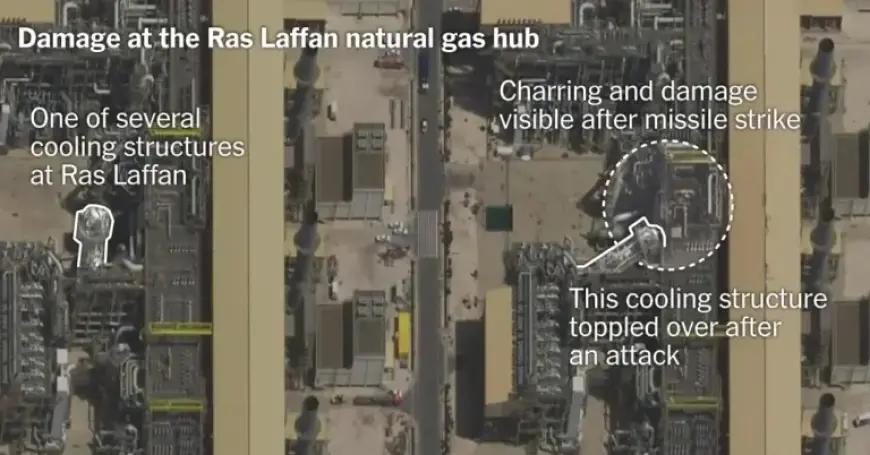
Rebuilding efforts hinge on the extent of infrastructure damage, which remains difficult to fully assess. Key facilities, like Qatar’s Ras Laffan natural gas export terminal, have reported significant capacity losses due to attacks.
Analysts are cautiously optimistic about oil prices stabilizing in the future. However, they predict that by late 2026, prices could average around $80 a barrel—higher than pre-conflict forecasts.
In conclusion, the recovery of energy production and stabilization of gas prices depend on many factors, including the longevity of the cease-fire and the effectiveness of repair efforts across the Middle East. As the situation evolves, energy prices will likely continue to reflect the geopolitical risks in the region.