























Australia Falls Short by 77,500 Homes in $110B Housing Target

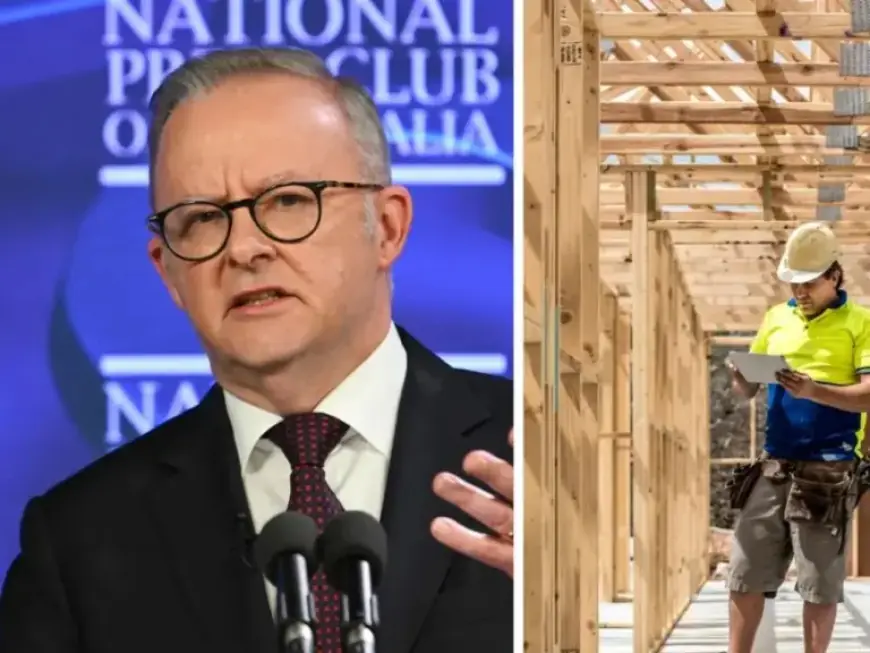
The Albanese government faces a significant challenge in achieving its housing targets, with Australia currently 77,500 homes short of its goal. This situation arises just 18 months into a five-year plan aimed at addressing the ongoing housing crisis.
Housing Shortage Amid Rising Costs
Despite a record expenditure of $110.5 billion on new home construction over the past year, the latest data from the Australian Bureau of Statistics (ABS) reveals that only 282,500 new homes have broken ground since the commencement of the National Housing Accord on July 1, 2024. The Accord sets an ambitious goal of constructing 1.2 million homes in five years, translating to a target of 360,000 homes during this period.
Current Statistics
- Homes Under Commencement: 282,500
- Target Homes: 360,000
- Homes Required Per Year: 262,000 for the next 3.5 years
- Latest Commencements: 196,000 (2025)
To meet its goal, the country must significantly ramp up its housing output. This figure exceeds the initial annual target of 240,000 homes.
Regional Insights
State-level analysis shows NSW leading in new housing starts with 16,272 homes completed in the last quarter of 2025, overtaking Victoria, which had 13,489. Queensland also reported a notable number of commencements at 11,460, while Western Australia recorded 6,307 and South Australia 3,930.
Pending Approvals
As of December last year, 12,391 homes had received approval but were yet to begin construction. NSW accounted for the largest share with 3,477 approvals, followed by Queensland at 1,852 and Victoria at 1,737.
Challenges Ahead
The Housing Industry Association (HIA) warns that despite an uptick in new home constructions, this trend was bolstered by three interest rate cuts in 2025. The imminent risk of rising interest rates could further impede housing initiatives.
Tom Devitt, a senior economist at HIA, asserts that increasing home supply will depend on governmental intervention to reduce construction costs. He highlighted that taxes on housing are exceptionally high, imposing additional strain on investors and contributing to reduced housing availability.
Policy Recommendations
- Revise high housing taxes, including negative gearing and capital gains taxes, which may dissuade investor involvement in new builds.
- Streamline construction regulations to reduce red tape and expedite housing delivery.
- Encourage skilled labor through enhanced apprenticeship programs and immigration policies.
In Victoria, property tax reform is critical. Cath Evans from the Property Council of Australia emphasizes the need for urgent structural changes to tackle high taxation that hinders housing development.
Master Builders CEO Denita Wawn calls for comprehensive policy measures in next month’s federal budget to catalyze housing growth. These measures should promote investments in housing infrastructure while facilitating new housing supply.
The ongoing housing crisis underscores the urgent need for effective policies to bridge the gap of 77,500 homes. As the Albanese government navigates these complexities, timely actions will be essential in addressing the nation’s pressing housing needs.