

























Iran Ceasefire Drives Energy Markets into Uncertainty

The recent ceasefire in the Iran conflict has created both hope and uncertainty in global energy markets. U.S. President Donald Trump announced a temporary two-week ceasefire aimed at halting Iran’s blockade of oil and gas shipments through the Strait of Hormuz. This vital waterway plays a crucial role in global oil trade, with approximately 20% of the world’s oil passing through it.
Impact of the Ceasefire on Energy Markets
Iran’s Foreign Minister, Abbas Araqchi, stated that Tehran would pause attacks and ensure the safe transit of vessels through the strait. However, the actual implementation of this ceasefire remains uncertain. Following the announcement, Iran conducted further strikes on Israel and Gulf nations, highlighting the fragile nature of the deal.
The ongoing conflict, now in its sixth week, has resulted in over 5,000 fatalities across nearly a dozen countries. The war has devastated vital infrastructure, including oil and gas facilities, exacerbating an already problematic energy crisis.
Market Reactions
Financial markets responded positively to the ceasefire news. Japan’s Nikkei index surged 5% to reach a one-month high. Conversely, Brent crude oil prices fell approximately 13%, settling around $95 per barrel, as traders anticipated a potential easing of supply risks.
Supply Chain Disruptions
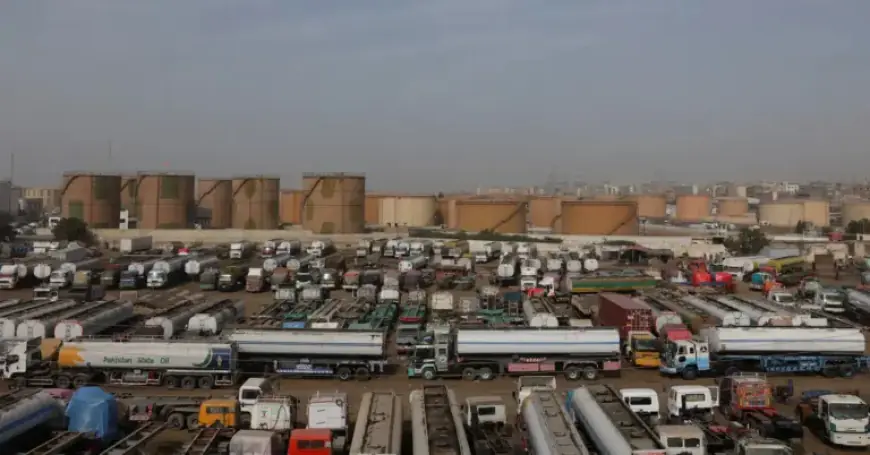
The halt in fighting and potential reopening of the Strait of Hormuz could facilitate the shipment of significant oil volumes currently stranded due to the conflict. Recent data from analytics firm Kpler indicates that around 130 million barrels of crude oil and 46 million barrels of refined fuels are trapped on roughly 200 tankers in the region. Additionally, 1.3 million tonnes of liquefied natural gas await safe passage.
- Asia relies heavily on the Middle East for energy, importing 60% of its oil and 80% of its gas.
- Due to the conflict, many Asian nations have experienced severe disruptions, leading to curtailed industrial output.
Restoring these supplies would provide immediate relief to energy systems across Asia. However, clearing the backlog of stranded cargoes presents a challenge. Convincing shipowners to send their vessels back into the Gulf is complicated. The ongoing blockade has severely limited tanker availability, leading to soaring freight rates.
Long-Term Production Concerns
Oil exports from the Middle East through Hormuz fell by 13 million barrels per day in March, amounting to roughly 13% of global consumption. Saudi Arabia and the UAE have diverted some shipments via alternate routes, but the disruption has resulted in an estimated 7.5 million barrels per day of production being shut in, including significant reductions in Iraq and Saudi Arabia.
The likelihood of quick production recovery is low. Restarting oilfields in the Middle East is a complex endeavor that may take weeks or longer. Additionally, damage to refineries and export terminals from the conflict could take months or years to repair. A shortage of specialized equipment and skilled labor further complicates restoration efforts.
The Future of Middle Eastern Exports
If Washington and Tehran reach a permanent peace agreement leading to the full reopening of Hormuz, a return to normal oil and gas trade may be possible. However, even under this scenario, the impact of the conflict could leave lasting effects, keeping global oil supplies tighter than anticipated in the coming years.
Until a more stable agreement is in place, the current ceasefire might serve only as a temporary solution in an ongoing global energy crisis.