





















Continuous Glucose Monitoring Drives Me Crazy: A Personal Perspective

Living with continuous glucose monitoring (CGM) technology can shift daily routines and reshape health perspectives. This article explores the personal journey of one individual who used two over-the-counter CGMs—Dexcom Stelo and Abbott Lingo—for over a year to understand their impact on health. While originally intended for diabetics, interest in CGMs among non-diabetic populations has surged, driven by the potential for real-time glucose tracking and health optimization.
Understanding Continuous Glucose Monitoring
CGMs deliver real-time glucose readings derived from interstitial fluid beneath the skin, setting them apart from traditional blood tests. This allows users to observe trends over longer periods versus single-point measurements of standard finger-stick tests. The FDA first cleared a CGM device for professional use in 1999, and since 2023, these tools have become accessible to non-diabetics as well.
Changing Landscape of Diabetes Care
- As of 2021, approximately 95% of the 38.4 million Americans with diabetes are Type 2 diabetics.
- At least 98 million adults in the U.S. were estimated to have prediabetes.
- Newer CGM models are aimed at early intervention for conditions such as insulin resistance.
The Push for CGMs Among Non-Diabetics
The recent trend showcases CGMs as potential tools for better metabolic health. Advocates, including Health Secretary RFK Jr. and cofounders of CGM startups, are lobbying for widespread adoption of this technology. In a society focused on optimizing health outcomes, CGM usage is promoted not merely for illness identification, but for personal health management.
The Experience of Monitoring Glucose Levels
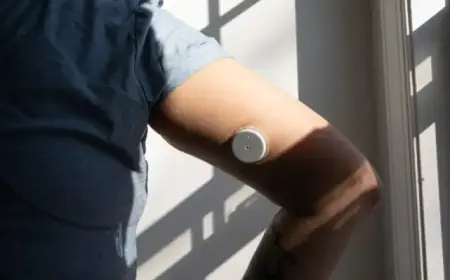
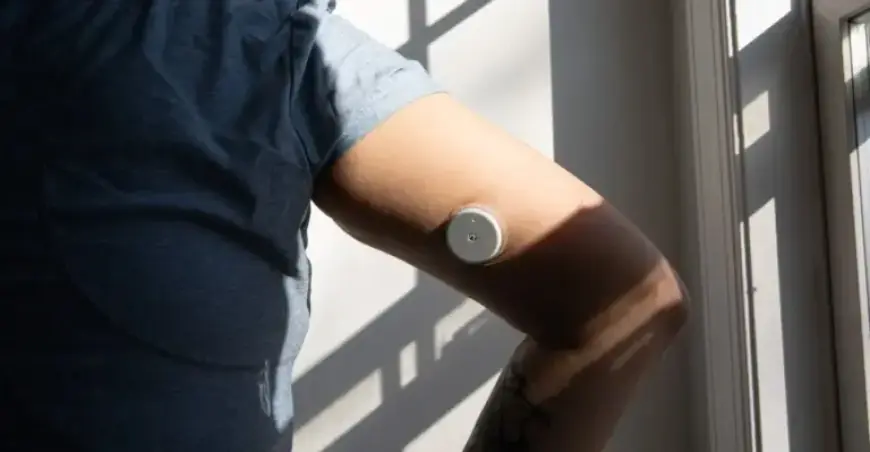
During initial CGM usage, discomfort was minimal, but significant awareness around clothing choices emerged. Initially, findings seemed typical, revealing fluctuations based on diet and activity. For example, pasta meals would lead to spikes, while meals like salmon resulted in lower increases. However, daily analysis became overwhelming, particularly as inconsistency across different CGM devices arose.
Navigating the Data and Its Interpretation
Obtaining clear insights from CGM data is complicated. Users may see encouraging trends but also experience anxiety due to unexpected spikes. For instance, results indicated elevated morning glucose levels, which prompted consultations with healthcare professionals to address potential health concerns. Yet, A1C levels remained normal, raising questions about the CGMs’ accuracy, particularly regarding interstitial vs. blood glucose measurements.
Emotional Impact of Continuous Monitoring
The year-long journey with CGMs stirred feelings of anxiety and insecurity. Users often felt pressured to control their food intake strictly to maintain optimal glucose levels. Social settings frequently became sources of stress, as one grappled with decisions based on potential glucose spikes. Many found this obsession could hinder social interactions and enjoyment of food.
Results and Reflections
Eventually, health outcomes improved through medication adjustments, significantly affecting cholesterol and liver enzyme levels. Importantly, medication played a more substantial role in enhancing health than CGM data alone. This experience raises crucial questions about the emotional toll of wearable health devices and their impact on habits, illustrating that while technology offers insights, it does not replace the need for medical intervention.
Conclusions on the Use of CGMs for Non-Diabetics
For non-diabetics considering CGMs, awareness of their limitations is essential. Although CGMs promise an avenue for health optimization, they should not be viewed as a singular solution. Future research is necessary to establish clear guidelines on interpreting CGM data in non-diabetic populations. Ultimately, technology can aid health management, but it still requires thoughtful integration within a broader health context.