























Maritime Maple Syrup Producers Worry About Low Production Levels

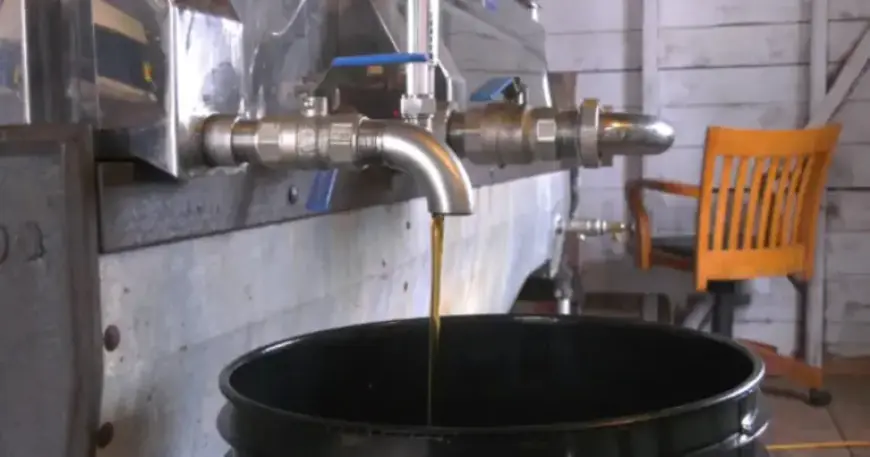
Maple syrup producers in the Maritime region of Canada are expressing concerns over unexpectedly low production levels this year. A colder-than-normal spring has significantly delayed the season, affecting sap flow across multiple provinces.
Impact of Cold Weather on Maple Syrup Production
Producers in Prince Edward Island (P.E.I.) report a slower start than usual. Greg Beamish, owner of Hazel Grove Sugar Shack, highlights a worrying trend. He has boiled only 3,000 to 3,500 liters of sap so far, compared to the 10,000 liters typically processed by this time. This marks a significant decrease, with production sitting at one-third of the usual capacity.
Wider Concerns Across the Maritimes
The challenges faced by Beamish are echoed by other producers in the Maritimes. Cold daytime temperatures have hindered the vital freeze-thaw cycle necessary for sap collection. Frederick Dion, executive director of the New Brunswick Maple Syrup Association, confirms that sap flows are low due to persistent freezing temperatures. Dion states, “We’re not over 0°C, so we’re not able to get any sap.”
- Last year’s production levels may not be matched in 2024 and 2025.
- Smaller operators could face greater challenges in production setbacks.
Dion adds that lower yields could impact planned upgrades and expansions for some producers. “It will be hard to do it at the same rhythm they were expecting,” he notes.
Regional Production Rates and Challenges
Kevin McCormick, operating a 36,000-tap maple syrup operation in Nova Scotia, reports that his production is currently at about 70% of expected levels. Weather is not the only variable; tapping practices and equipment also play critical roles in determining sap yield. McCormick has received feedback from other producers indicating an overall decline in production rates.
Effects Beyond the Maritimes
The situation extends into Quebec, which is responsible for roughly 90% of Canada’s maple syrup supply. Recent reports indicate an average harvest reduction of 30% for Quebec producers. Despite the dip in production, consumer shortages may be mitigated by the province’s strategic syrup reserves, designed to manage supply during fluctuating production seasons.
Interestingly, over 90% of the syrup consumed on P.E.I. is imported from other regions, further emphasizing the interconnected nature of maple syrup production in Canada. As the season progresses, producers remain hopeful for warmer conditions that could help boost sap flow.