






















Iran’s Hold on Hormuz: Petrodollar’s Reign Unchallenged

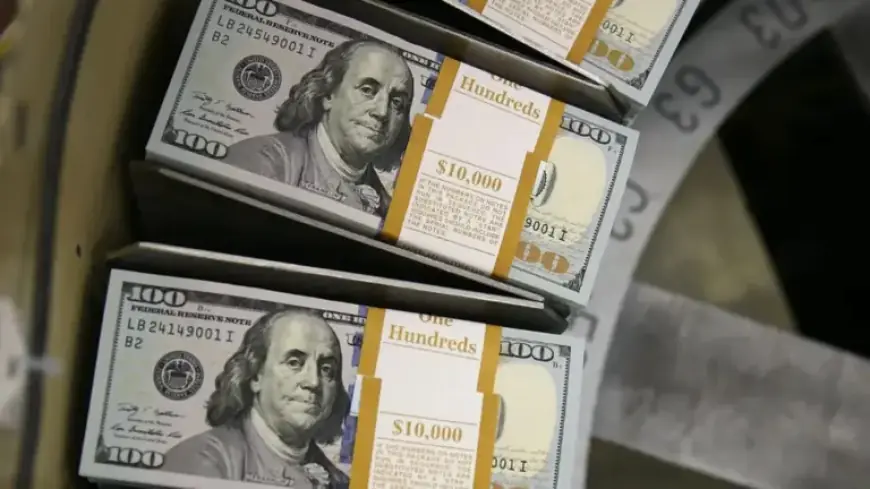
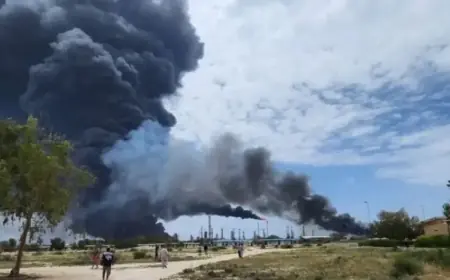
The Strait of Hormuz plays a critical role in global energy markets, handling approximately 20 percent of the world’s oil. This significant geopolitical corridor is under Iran’s control, which raises concerns about the stability of the petrodollar system. Experts suggest that while Iran might exert considerable influence over this strait, altering the dollar’s dominance in the oil market appears unlikely.
Iran’s Strategic Control Over Hormuz
Iran has implemented a toll system for vessels passing through the Strait of Hormuz, particularly targeting ships from nations like Pakistan and China. Interestingly, Iran has started to accept toll payments in Chinese yuan, which has led to speculation about a potential shift in how oil is priced globally.
The Petrodollar System’s Resilience
Despite these developments, Gulf states like Saudi Arabia, Kuwait, and the UAE are expected to maintain their reliance on the dollar for oil transactions. Professor Steve Hanke of Johns Hopkins University emphasized the enduring power of the dollar, stating, “The Strait of Hormuz could become a toll road controlled by Iran, but king dollar remains dominant.”
Historical Context
The dollar’s pivotal role in oil pricing began in 1974 when diplomatic efforts by then-Secretary of State Henry Kissinger led Saudi Arabia to price its oil in dollars. This agreement not only bolstered the dollar’s status but also initiated the eurodollar market, where US dollars deposited in European banks were used for global lending.
Current Economic Landscape
As of 2025, Gulf countries hold approximately $315 billion in US Treasuries. However, the importance of petrodollars has changed over the decades. Gulf states now envision themselves as diversified investors rather than just holders of US debt. They are increasingly focusing on domestic investments rather than solely on US Treasuries.
- Recent data indicates that Saudi Arabia’s holdings of US debt stood at $134 billion as of January 2026.
- The liquidity of US Treasuries remains a significant factor in maintaining the structure of the petrodollar system.
Potential Shifts in Oil Pricing
Recent geopolitical tensions have prompted shifts in global oil trading patterns. For instance, Russia has started selling its oil and gas to China in yuan amid international sanctions. Similarly, Iran has also adapted by trading its oil for yuan.
Despite these changes, the consensus among experts is that the dollar’s supremacy in oil sales is unlikely to diminish significantly. David Wight, author of “Oil Money,” remarked that while the system faces challenges, Gulf states still prefer conducting transactions in dollars, largely due to the economic relationships involved.
Conclusion: The Future of the Petrodollar
The dollar remains deeply embedded in global trade due to its role as the primary currency for oil transactions. As countries navigate economic pressure and geopolitical challenges, the dollar’s status as the world’s dominant currency is likely to persist. Despite efforts to diversify currencies in oil transactions, the existing inertia and financial liquidity in the market support the continued use of the petrodollar.