






















Iran Ceasefire: Why the Fuel Crisis Persists Unabated


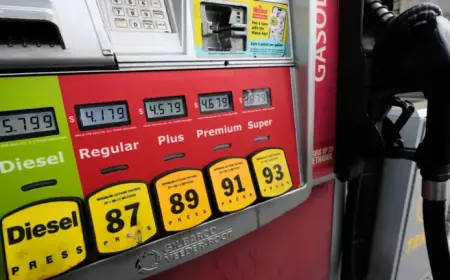
A recent announcement of a two-week ceasefire in the ongoing conflict in Iran has led to renewed discussions about global fuel supply issues. Despite the promise of safe passage for ships through the vital Strait of Hormuz, analysts caution that the fuel crisis is far from over.
Understanding the Fuel Crisis Amid Ceasefire
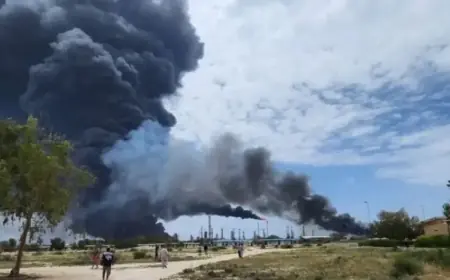
Since the onset of hostilities on February 28, Iran has targeted oil and gas infrastructure in neighboring countries. The war has resulted in significant disruption, removing approximately 11 million barrels of oil daily from the global market. This scenario has drastically affected supply, squeezing many nations, particularly those with fewer economic resources.
Impact on Countries
- Developing nations like the Philippines, Pakistan, and Thailand are experiencing severe fuel shortages.
- Australia, being economically stronger, has better access to fuel, aided by its status as a major exporter of liquefied natural gas (LNG) and thermal coal.
While a ceasefire might ease some tensions, the intricate web of supply chain challenges remains. Damage to refineries and pipelines will take months to address, and the increased costs associated with insurance and shipping could delay the return to normal supply levels.
Australia’s Fuel Dependence and Strategies
Australia imports roughly 90% of its liquid fuels, primarily diesel and petrol. The federal government recognizes the urgency of addressing fuel supply concerns and has made significant efforts to strengthen trade relationships, particularly in Asia.
- The Prime Minister’s visit to Singapore aims to bolster fuel supplies, focusing on diesel.
- Despite mining not being an option for quick relief, Australia relies heavily on LNG exports to support regional partners.
The Role of Diesel in Agriculture and Mining
Diesel is crucial for Australia’s agricultural and mining sectors. Approximately 35% of diesel usage in Australia is tied to mining activities, where alternatives are limited. Unlike petrol, which city dwellers can replace with public transport, the agriculture and transport sectors depend almost entirely on diesel.
The Future of Oil and Potential Alternatives
Australia consumes close to one million barrels of oil daily, yet local production never meets demand. Proven commercial oil reserves are estimated at approximately 229 million barrels, sufficient for only seven months. This highlights the ineffectiveness of suggestions to increase oil drilling.
While unconventional oil reserves could be more abundant, extraction often involves contentious methods like fracking. Even discussions around transforming coal or gas to liquid fuels have not proven commercially viable. Therefore, a critical long-term solution lies in diminishing reliance on oil altogether.
Transitioning to Electric Solutions
As electric vehicle (EV) technology becomes more affordable, it presents a compelling alternative to traditional fuel sources. With increasing investment in electric mining machinery, the future may see a gradual shift away from diesel reliance.
In conclusion, while the temporary ceasefire in Iran may provide a glimmer of hope for fuel supply stabilization, the path to recovery remains uncertain. The intertwined challenges of repairing critical infrastructure and transitioning to sustainable energy sources will be central to addressing the persistent fuel crisis.