




















Hezbollah Halts Strikes; Israel Continues Lebanon Operations, Sources Confirm

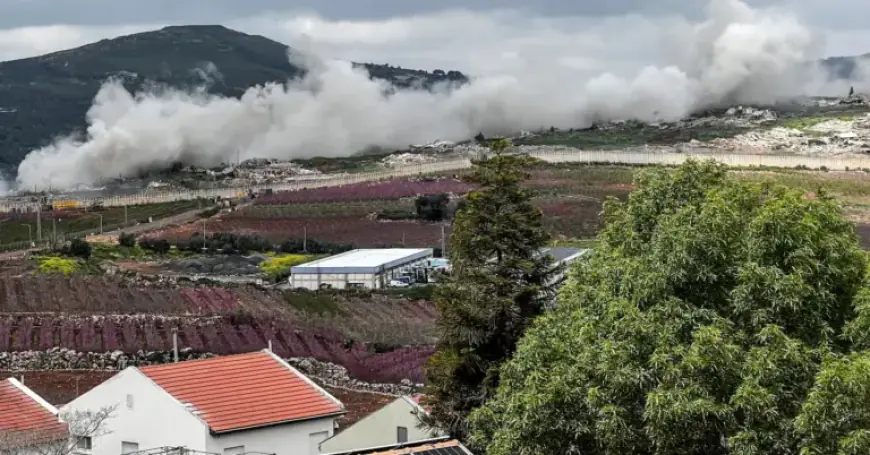
On April 8, 2026, tensions between Israel and Lebanon remained high as Hezbollah announced a halt to attacks on northern Israel and its troops stationed in Lebanon. This decision was part of a two-week ceasefire agreement brokered by the United States and Iran. However, a Hezbollah lawmaker emphasized that Israel must also comply with the truce to ensure its success.
Ceasefire Dynamics
Israeli Prime Minister Benjamin Netanyahu clarified that the ceasefire does not apply to Lebanon, indicating that military operations against Hezbollah would continue. The Israeli military spokesperson, Avichay Adraee, reiterated that the conflict in Lebanon persists, with evacuation orders for parts of southern Lebanon ongoing.
- Date: April 8, 2026
- Key Figures:
- Benjamin Netanyahu (Israeli Prime Minister)
- Ibrahim Moussawi (Hezbollah lawmaker)
- Emmanuel Macron (French President)
- Casualties: Over 1,500 individuals killed in Lebanon since March 2, 2026
Continuing Israeli Operations
Despite the ceasefire, Israeli strikes persisted, particularly in southern Lebanon. Reports from Lebanese authorities indicated that recent airstrikes led to numerous casualties, including:
- Four deaths from an airstrike near a hospital
- Eight fatalities and 22 injuries in the city of Sidon
Lebanon’s health ministry noted increasing displacements and hardships as a result of ongoing violence. As of early April, more than 1.2 million people had been displaced, significantly impacting the nation’s already fragile economy.
International Responses
French President Emmanuel Macron underscored the critical situation in Lebanon, advocating for the country’s inclusion in the ceasefire agreement. A senior Lebanese official confirmed that Beirut was not part of the negotiations and insisted that Lebanon should represent its own interests.
Hezbollah too expressed concern over these developments, warning that a continuance of hostilities might undermine the larger ceasefire imposed by international actors. Ibrahim Moussawi indicated that delays in compliance from any involved party could lead to a negative regional response.
Looking Ahead
While some in Lebanon express hope for a lasting ceasefire, the situation remains precarious. Lebanese officials have stated that without guarantees or clear communication regarding Lebanon’s status in the ceasefire, the country faces greater instability.
As the conflict continues, the repercussions for the Lebanese population could be dire, further threatening regional peace efforts and the humanitarian situation on the ground.