

















Evangelicals Intensify Trump’s Religious Narrative on Iran Conflict

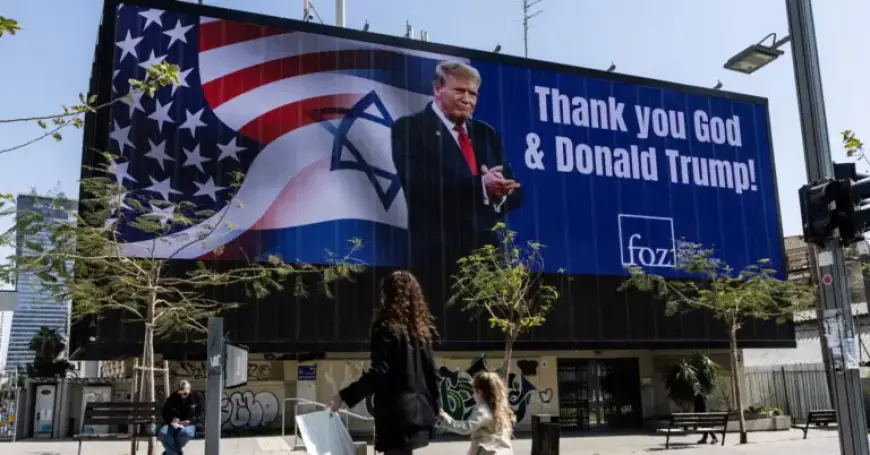
In recent weeks, the rhetoric surrounding the U.S. conflict with Iran has taken on a distinct religious tone, particularly from President Donald Trump and his supporters. This shift aims to consolidate support from evangelicals, a crucial voting bloc for Trump, as concerns over the war’s popularity grow.
Trump’s Religious Framing of the Iran Conflict
Experts suggest that President Trump is increasingly leveraging Christian language to frame the conflict with Iran as a moral battle between good and evil. This theme resonates strongly with evangelical leaders who emphasize biblical narratives, casting the situation in Iran as part of a cosmic struggle.
Amplifying the Message from Pulpits
Prominent evangelical figures, including influential pastors and local church leaders, are echoing Trump’s message. They interpret the conflict through a religious lens, suggesting divine endorsement of U.S. military actions. For instance, Trump has referred to the rescue of a U.S. airman in Iran as an “Easter miracle,” indicating a significant religious interpretation of current events.
Support Base Dynamics
White evangelicals remain among Trump’s most fervent supporters, with over 80% voting for him in the 2024 elections. Surveys indicate that this demographic constitutes about one-third of his overall voter base. Experts argue this critical support incentivizes Trump and his administration to utilize Christian rhetoric more heavily in their public communications.
- 80% of White evangelicals supported Trump in 2024.
- About one-third of Trump’s voter base consists of evangelicals.
Political and Religious Expert Opinions
Political scientists warn that the administration’s aggressive use of religious language marks a departure from historical precedents. According to John Fea, a history professor specializing in evangelicals and politics, the rhetoric resembles crusade-era language that frames opponents in stark, moralistic terms. Such comparisons highlight an unprecedented approach in American political discourse.
Criticism from Diverse Voices
This overtly religious framing has faced criticism from various quarters. Some Democrats and progressive Christian leaders view it as a dangerous manipulation of faith to support an unpopular military campaign that has led to considerable loss of life.
Pope Leo recently condemned the conflict, stating that invoking the name of Jesus to justify war is unacceptable. He emphasized Christ’s message of peace, which stands in stark contrast to the narrative being promoted by some evangelical leaders.
Polls Reflect Divided Opinions
A recent Reuters/Ipsos poll revealed that 60% of the public opposes U.S. military strikes on Iran. The data exposed a significant partisan divide, with 74% of Republicans supporting the war, compared to only 22% of Democrats.
Religious Leaders Support Trump’s Actions
Prominent evangelical figures, like Franklin Graham, frame military actions in biblical terms. They draw parallels between Trump and biblical characters, positioning the president as a divinely chosen leader. This has led to a narrative that frames the conflict as a part of biblical prophecy related to Israel.
In supporting this perspective, evangelical leaders like Ken Peters express hope that the war will result in a favorable outcome for both Israel and the United States. The consistent messaging from religious leaders aims to keep the evangelical community aligned with Trump’s policies.
Conclusion
The intertwining of faith and politics in the context of the Iran conflict illustrates a significant shift in the landscape of American political discourse. As tensions continue to rise, the role of evangelical leaders and their interpretations could further influence public sentiment and electoral outcomes moving forward.