























Former Pentagon Officials Urge Military to Defy Trump’s Iran Genocide Orders


Former Pentagon officials are urging the military to disregard President Donald Trump’s recent threats towards Iran, which they characterize as genocidal. On Truth Social, Trump warned of an impending night of destruction, stating, “A whole civilization will die tonight, never to be brought back again.” This followed earlier statements suggesting that Iran could be obliterated in a single night, mentioning plans to strike critical civilian infrastructure.
Legal Concerns and Responses
Sarah Harrison, a former associate general counsel, expressed grave concerns regarding Trump’s comments. She stated that lawmakers and security leaders must denounce these statements as unlawful, warning that military personnel could face prosecution if such orders were followed. Rebecca Ingber, a former State Department attorney, added that the definition of genocide under international law includes a “specific intent” to destroy a group, which Trump’s remarks could indicate.
Impact on Civilian Infrastructure
Trump’s rhetoric suggested catastrophic military actions, including plans to “decimate” bridges and power plants across Iran. He explicitly stated, “Tuesday will be Power Plant Day,” indicating readiness for large-scale military attacks. Sarah Yager, from Human Rights Watch, reinforced that Trump’s threats equate to war crimes under international law.
- As of now, civilian infrastructure has suffered extensive damage.
- U.N. reports indicate significant disruptions to essential services, impacting electricity, water, and telecommunications.
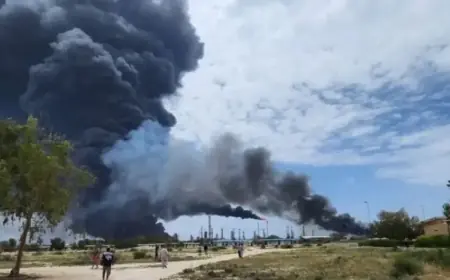
- Airports, hospitals, and residential areas have been targeted, resulting in increasing civilian casualties.
Casualties and Displacement
The ongoing conflict has devastated civilian life in Iran. The UNHCR reported that approximately 3.2 million people have been displaced, while Iranian health officials noted over 2,100 civilian deaths, including 216 children. The emotional and psychological toll of the constant threat of violence creates widespread fear among the populace.
International Oversight
Rafael Grossi, head of the International Atomic Energy Agency, warned that military activity near Iran’s nuclear facilities poses severe risks. Continued attacks near operational sites could cause radiological accidents that threaten not only Iran but the broader region.
- Significant infrastructure damage includes:
- Over 115,200 civilian properties affected.
- 763 schools and more than 334 medical facilities damaged.
- High levels of food insecurity reported among the civilian population.
As tensions escalate, the international community watches closely. The future of Iran’s civilian population hinges on the decisions made in the coming days, underlining the urgent need for diplomatic resolution.