
























Australia’s EV Sales Soar: Temporary Hike or Long-Term Trend? Order Backlog Holds Clue

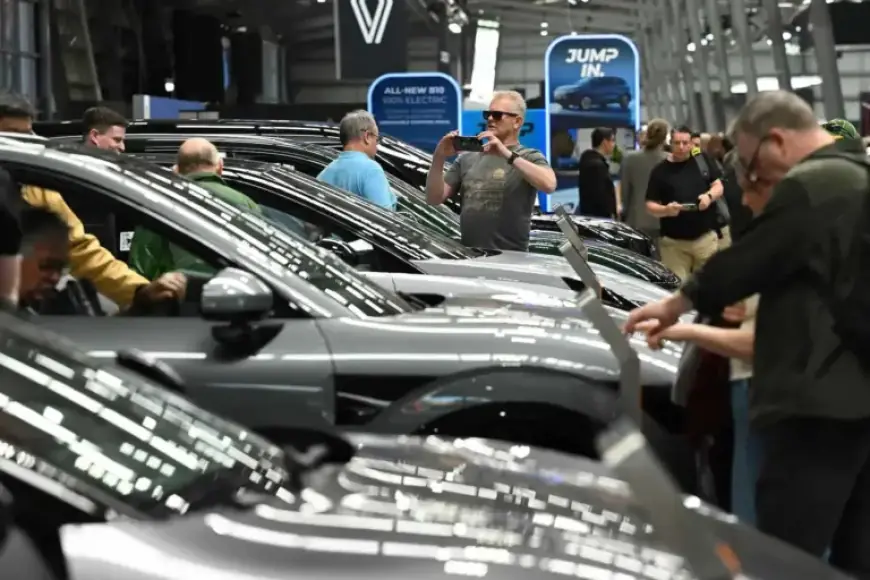
Australia is witnessing a remarkable rise in electric vehicle (EV) sales, marked by a significant increase in market share, which surged to a record 14.5% in March. This surge has prompted discussions regarding whether this trend signifies a temporary spike or a long-term transformation in the automotive sector.
Key Insights Into EV Market Growth
Industry experts express differing opinions on whether this increase indicates a permanent shift. Tony Weber, head of the Federated Chamber of Automotive Industries, stated that it is premature to declare this a structural change. His organization has historically represented Japanese car manufacturers, who may be hesitant to adapt to EV market demands.
Conversely, Julie Delvecchio, head of the Electric Vehicle Council, believes the surge represents a fundamental shift. The conversation among Australians is evolving; they are now focused on which EV to purchase and when, rather than questioning if EVs are the future.
Sales Growth and Consumer Interest
Although official sales figures show substantial growth, other indicators suggest even greater interest. Key statistics include:
- Doubling in online searches for EVs.
- A surge in inquiries about EV leasing and insurance.
- Record levels of second-hand EV sales.
- An escalating backlog of EV orders.
Among the most popular models, the Tesla Model Y now has extended delivery times, with customers waiting until May or August for their orders. This delay highlights ongoing consumer interest, even as the competition intensifies in the EV landscape.
Performance of Major Brands
March sales data revealed that BYD, a Chinese manufacturer, has become the leading EV brand in Australia. They recorded sales of 4,206 fully electric cars, surpassing Tesla, which sold 7,260 units this year. Other notable statistics include:
- BYD’s total sales for 2026 stand at 9,994 units.
- BYD has an order backlog exceeding 10,000 units.
- Omoda Jaecoo has received more than 4,000 orders for its J5 electric SUV.
Toyota is also ramping up its electric offerings. The company anticipates a five-fold increase in sales for its bZ4X model, which is projected to exceed 5,000 units in 2026. Factors contributing to this growth include the anticipated release of the upgraded bZ4X Touring variant.
Government Policy and Market Implications
The future trajectory of the EV surge may hinge on government policies. Currently, the Electric Car Discount is under review, a program that provides financial incentives for EV purchases. Delvecchio warns that reducing this discount could adversely impact consumer affordability, potentially depriving families of significant savings on fuel and maintenance.
As rising living costs persist, the case for EV adoption strengthens. Rohan Martin from the National Automotive Leasing and Salary Packaging Association notes the fuel crisis has transformed curiosity about EVs into a commitment, especially in regional areas. The Electric Car Discount is instrumental in making EV ownership feasible for many households.
Conclusion: A New Era for Electric Vehicles
As Australia navigates this pivotal moment in the EV market, ongoing advancements in technology and shifts in consumer behavior will be crucial. The surge in sales and the increasing backlog of orders indicate a strong potential for sustained growth in the electric vehicle sector. The actions of policymakers will ultimately determine whether this surge is a fleeting trend or the beginning of a long-term transformation in Australia’s automotive landscape.