



















Trump’s Profane Threats Against Iran Highlight Unhinged War Rhetoric

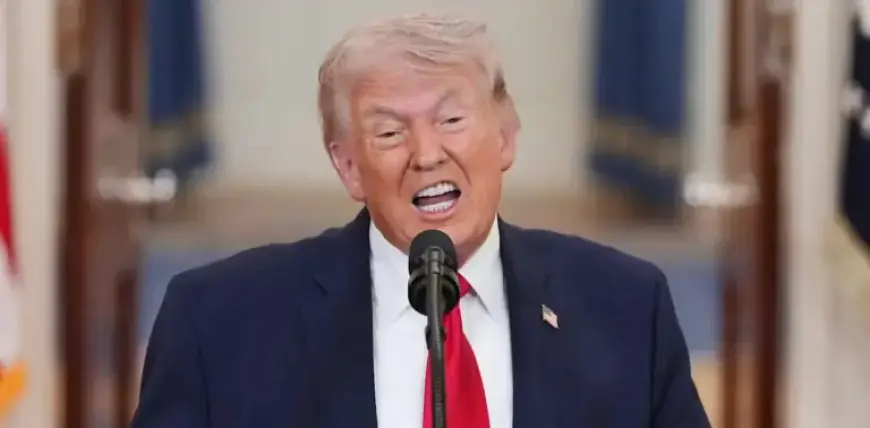
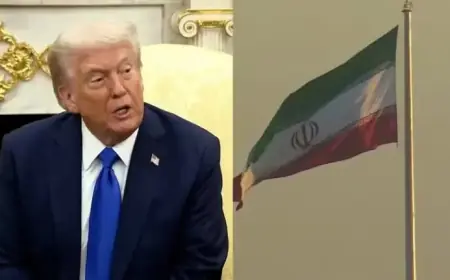
Recent public statements from President Donald Trump have intensified global alarm. His comments included threats to bomb Iran “back to the Stone Ages.”
Filmogaz.com coverage shows his demands that Iran reopen the Strait of Hormuz. He reportedly called Iranians “crazy bastards.”
Trump’s Profane Threats Against Iran Highlight Unhinged War Rhetoric and deepen concerns about rhetoric driving policy. Critics warn such language risks normalizing extreme measures.
Direct threats and deadlines
The president warned “a whole civilization will die tonight” as a deadline approached. He pressed for immediate action on the strait.
U.S. and Israeli officials framed the conflict with Iran as existential. That framing echoed civilizational and religious language.
Religious and apocalyptic framing
Segments of Trump’s political orbit used biblical and apocalyptic themes. Some cast the conflict as divinely ordained.
Trump has said he was “saved by God.” Senator Lindsey Graham described the Iran conflict as a civilizational war.
Pete Hegseth, serving as defense secretary, advocated sweeping rules for air strikes. He urged “maximum lethality, not tepid legality.”
Hegseth has used Crusader imagery and wrote the 2020 book American Crusade. His rhetoric linked military aims to ideological purpose.
Pope Leo XIV, in a Palm Sunday and Easter appearance, emphasized that God is the “king of peace.” He rejected claims that war is divinely sanctioned.
Militarism and domestic politics
Political rhetoric has also targeted domestic opponents. Trump attacked figures such as James Comey and Letitia James.
Officials revoked visas for international students who protested Israel’s war in Gaza. The president labeled his 2024 opponent Kamala Harris “radical left lunatics.”
Observers say such language blurs the line between wartime rhetoric and repression at home. Critics fear it normalizes harsh measures against dissent.
War as spectacle
White House material combined action-movie imagery with footage of strikes over Iran. The messaging stylized violence into entertainment.
Trump made casual remarks about using force. He said war might end when he “feels it in his bones” and spoke of bombing Iran “just for fun.”
Human toll and economic impact
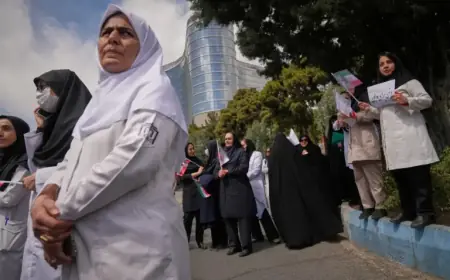
Bombing campaigns have caused widespread destruction in Iran. Civilian casualties have been reported across affected areas.
Visual records include damage at Shahid Beheshti University in Tehran. U.S.-Israeli airstrikes left a row of chairs visible through a hole on April 4, 2026.
An injured woman was pictured after a March 28, 2026 strike in Tehran. Images documented displaced civilians and damaged housing.
The conflict also affected global economics. Analysts estimated the U.S. cost at about $1 billion per day.
Domestic scenes showed impacts on everyday life. A photograph from April 4, 2026 showed a San Francisco gas station board amid rising prices.
Historical parallels and risks
- Historical episodes cited as warnings include the Holocaust and the Vietnam War.
- Other lessons came from the Rwandan genocide, the Pinochet dictatorship, and the Iraq war.
- Experts argue these precedents show how propaganda and fear can erode democracy.
Analysts say the fusion of faith, spectacle, and concentrated power poses grave risks. They warn democracy could be weakened if unchecked.
Filmogaz.com will continue to track developments and report verified facts. The international stakes remain high as rhetoric and reality collide.