


















Countries Align with US or Iran Amid Escalating War Tensions

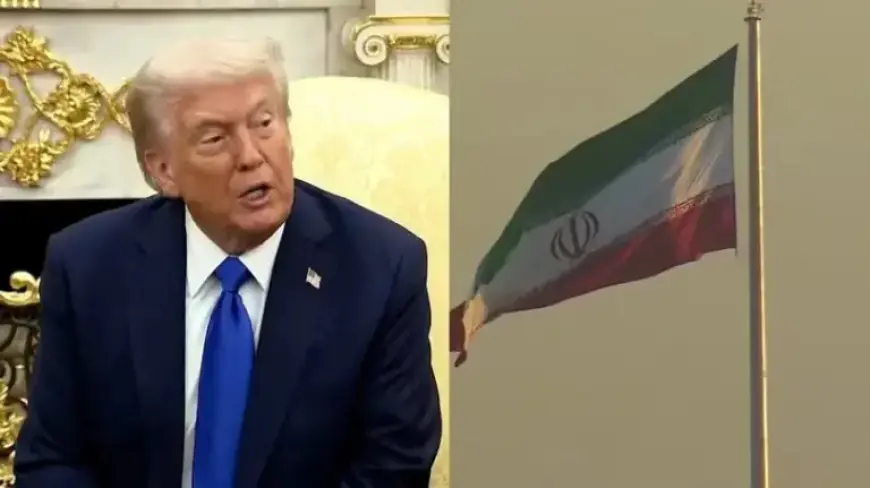
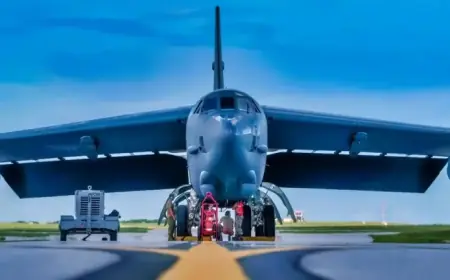
With the war in Iran entering its second month, President Donald Trump addressed the nation. He described Operation Epic Fury as degrading Tehran’s ability to threaten the United States and project power abroad.
On Friday, an American F-15E fighter jet was shot down over Iran. Search-and-rescue operations are ongoing for the two-person crew.
The Get the Facts Data Team reviewed 19 Middle East nations and Iran’s immediate neighbors. Analysts split them into three categories to show who leans toward Washington, Tehran, or remains balanced.
U.S.-aligned partners
The United States retains close ties with several regional governments. Israel stands as Washington’s closest ally in the region.
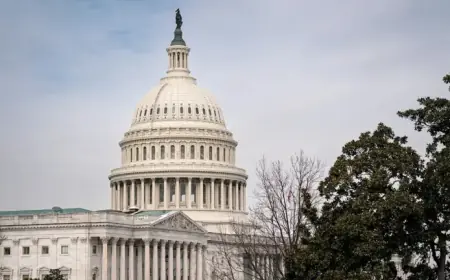
Congressional Research Service data show the U.S. funds roughly 14% of Israel’s annual defense budget. The Trump administration expedited transfers of military weapons and air and land combat vehicles to Israel, bypassing normal congressional review.
- Major non-NATO allies identified include Israel, Bahrain, Egypt, Jordan, Kuwait, Qatar and Saudi Arabia.
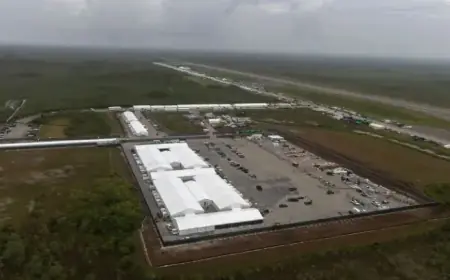
- Oman and the United Arab Emirates also host U.S. forces and maintain strong security links with Washington.
The U.S. reaffirmed its partnership with Oman in 2026. Washington continues deep defense cooperation with the UAE.
Iran has launched missile and drone strikes targeting Israel and several Gulf states. Attacks have struck U.S.-aligned partners such as Bahrain, Saudi Arabia, the UAE, Kuwait and Qatar.
Countries balancing ties
Many states in the region try to maintain relations with both the US and Iran. Analysts note that these countries navigate complex diplomatic terrain amid rising conflict.
Turkey, the South Caucasus and the Levant
Turkey remains a NATO member with a variable relationship with Washington. Missiles have been intercepted in Turkish airspace during the recent fighting.
Armenia and Azerbaijan moved closer to the U.S. in recent years. Both signed agreements and helped facilitate diplomacy in 2025. Armenia, however, has historically maintained closer relations with Iran.
Lebanon faces significant internal pressure from Hezbollah. The Iran-backed group holds political and military influence, complicating U.S. ties. Ongoing exchanges between Hezbollah and Israel have prompted U.S. warnings for Americans to leave.
South and Central Asia, and other hotspots
Pakistan is designated a major non-NATO ally of the U.S. It also keeps channels open with Tehran. Islamabad has sought neutrality while engaging both sides diplomatically.
Yemen remains unstable. Washington supports humanitarian efforts while Iran backs the Houthi movement, which controls parts of the country.
Afghanistan’s relationship with the U.S. turned hostile after the Taliban takeover in 2021. Kabul’s ties with Iran are limited and shaped by regional disputes.
Iraq and Syria: overlapping influences
Iraq and Syria present the most complex dynamics. Both host U.S. interests while also falling under strong Iranian influence.
Iran has been linked to strikes in Iraq and Syria during the wider conflict. Tehran has relied on Iraqi militias that launched attacks on U.S. bases in Iraq and neighboring countries.
In Syria, the fall of the previous regime in 2024 strained ties with Iran. Damascus has since taken tentative steps to rebuild relations with the United States.
Analysts mapped which countries align with the US or Iran while war tensions escalate. Their findings show a mix of firm alliances and pragmatic balancing across the region.
This report was reposted by Filmogaz.com.