






















Health Experts Criticize Meta for Censoring Illicit Drug Warnings

Health experts are expressing significant concerns regarding social media platforms, particularly Meta, for censoring crucial educational content about illicit drugs. This automatic censorship threatens public safety and can result in life-altering consequences for drug users.
Social Media Censorship of Drug-Related Content
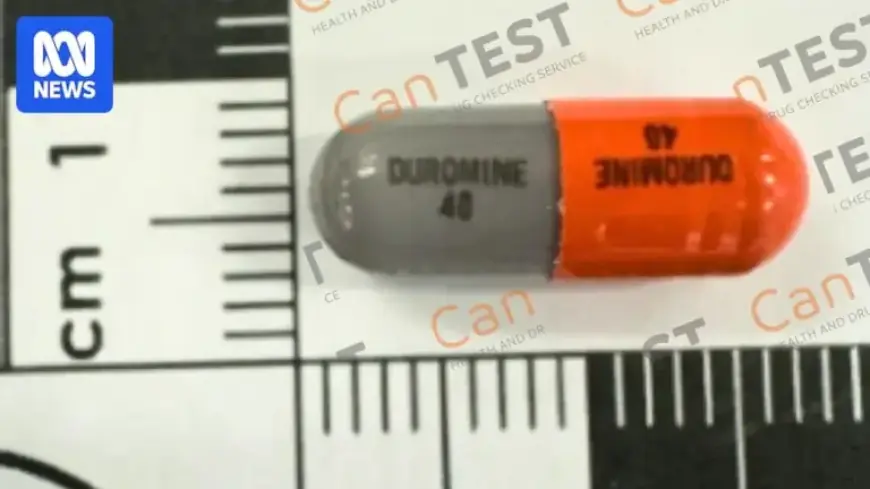
The Australian Injecting and Illicit Drug Users League (AIVL) highlighted that important alerts regarding illicit drug safety have been taken down. These alerts aim to inform the public about dangerous drugs circulating in communities, but social media companies’ automated systems are flagging them as endorsements of drug use.
Impact on Health Organizations
- Several organizations, including CanTEST and Pill Testing Australia, reported the removal of their posts and even suspension of accounts.
- AIVL noted instances where entire pages and personal accounts were permanently deleted.
Meta’s automated content moderation is particularly under scrutiny. AIVL’s chief executive, John Gobeil, emphasized that when critical messages are blocked, those in need are left unaware of available safety services.
Expert Opinions on Automated Censorship
David Caldicott, an emergency doctor and clinical lead at CanTEST, criticized the transition to AI-driven moderation. He stated that health information about drug safety is often censored without human review, risking lives in the process.
“This is health information, but unfortunately, automated systems miss the nuances,” Dr. Caldicott explained. He believes the U.S. perspective on drug education complicates how Meta handles related posts.
Educational Initiatives Against Censorship
Organizations like CanTEST emphasize the importance of educating users about drugs rather than stigmatizing them. They advocate for harm reduction strategies such as drug testing before consumption.
Dr. Caldicott stated, “There’s an imperative to prevent any conversation about illicit drugs, even if it’s health-related,” criticizing Meta for perceived negligence toward public health communication.
Calls for Accountability
The affected organizations are urging the e-Safety Commissioner to intervene. They want Meta to restore all removed accounts and content related to drug safety alerts.
- Call for improved engagement between social media platforms and healthcare providers.
- Request for timely distribution of vital health information.
CanTEST has also developed a mobile app, Night Coach, to circulate information independently of social media platforms. This app aims to ensure crucial health alerts reach the intended audiences.
A Case of Missed Opportunities
With recent findings revealing potent drugs, like protonitazene, in counterfeit pills, experts warn that information suppression could lead to tragic outcomes. Dr. Caldicott highlighted the importance of allowing users to make informed decisions about drug use.
While Meta has not publicly responded to inquiries regarding these issues, the urgency of restoring crucial health information is paramount. Public health relies on open communication, especially when it comes to substance safety.