
























BC Ferries Staff Work Seven-Day Weeks to Maintain Vessels, Union Reports

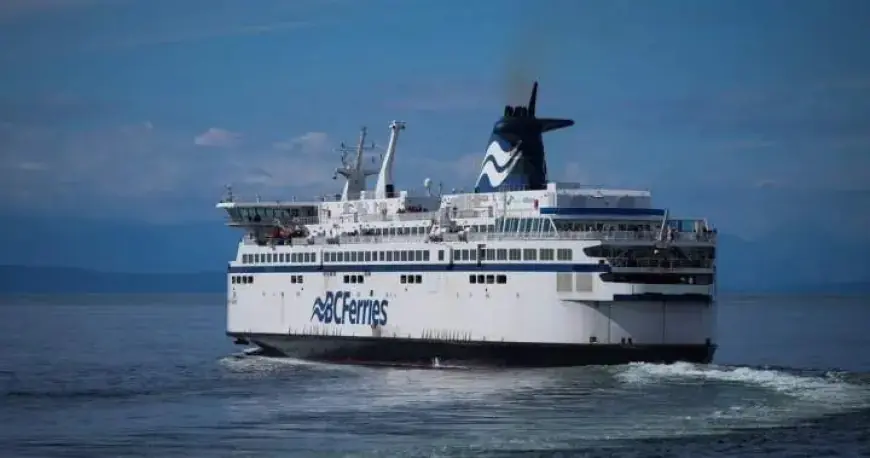
The ongoing challenges faced by BC Ferries are becoming increasingly evident. Recent reports indicate that the fleet’s issues stem from an aging infrastructure and an overwhelming demand for service. Staff are working tirelessly to keep operations running, with some working seven days a week.
Current Situation of BC Ferries
During a frustrating weekend for travelers, BC Ferries experienced numerous cancellations and delays. Mechanical breakdowns and scheduled maintenance contributed to the chaos. For instance, shortly after resuming service, multiple sailings of the Queen of Surrey were canceled due to a mechanical failure. Similarly, the Spirit of Vancouver Island broke down just two days after being put back into service.
Union Response and Worker Strain
Eric McNeely, president of the BC Ferry and Marine Workers Union, emphasized that the challenges result from a combination of factors. “Our engineering crews are doing everything possible to keep the vessels in service,” McNeely stated. However, he pointed out that as vessels age, they require more maintenance and resources, placing added stress on the workforce.
- Unionized staff are working extensively, often throughout the week.
- Compressed refit durations mean more work is being crammed into shorter timeframes.
- The union advocates for a buffer period post-refit to ensure vessel readiness.
Future of BC Ferries Fleet
In March, the British Columbia Ferries Commissioner approved four new major vessels to replace the oldest ships. These replacements are necessary as vessels like the Queen of New Westminster have been in service for over 60 years, an uncommon lifespan for saltwater vessels.
BC Ferries has applied for additional new vessels, including five new hybrid ships, but only four were approved. The lack of additional vessels remains a concern, as highlighted by McNeely.
Long-Term Solutions and Funding
McNeely noted that the issues plaguing BC Ferries are longstanding and emphasize the need for more effective planning. Discussions about vessel replacements began as early as 2016, with expectations for new ships to arrive between 2029 and 2031. This significant delay highlights challenges within BC Ferries’ leadership and provincial funding strategies.
To address these systemic issues, McNeely called for a reassessment of funding allocations for vessel maintenance and building in Canada. Ensuring adequate funding and time for refits is essential for the BC Ferries system’s future.
The Experience for Passengers and Staff
The ongoing problems are causing major disruptions for passengers. McNeely described the frustration of staff who deal with the public. They often find themselves explaining cancellations and changes beyond their control. The vast majority of employees are unionized workers who do not have the decision-making power to resolve such issues directly.
As BC Ferries navigates these challenges, the dedication of its workforce remains clear. Union members continue to strive for operational improvements while facing increasing pressure from an aging fleet and heightened demand for service.