
























RFK Jr. Expands Control Over CDC Vaccine Panel Post-Court Defeat

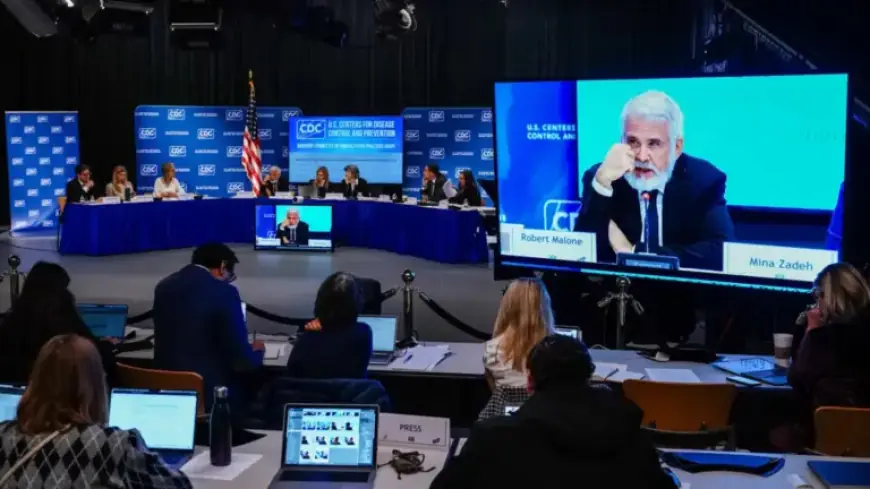
Robert F. Kennedy Jr. has recently extended his influence over the Advisory Committee on Immunization Practices (ACIP) following a court ruling. This comes amid significant alterations in the committee’s membership criteria, raising concerns regarding vaccine science expertise.
Changes to ACIP Membership Criteria
The new renewal of the ACIP charter diverges markedly from previous standards. Previously, ACIP members were required to possess specific expertise related to immunization practices and vaccine safety. This expertise was deemed essential for ensuring qualified oversight of immunization practices.
- Immunization practices
- Public health
- Clinical vaccine research
- Assessment of vaccine efficacy and safety
In contrast, the latest renewal emphasizes geographical representation and a broader range of specialty areas. The committee will now consider various medical and scientific fields, including:
- Biostatistics
- Toxicology
- Immunology
- Epidemiology
- Pediatrics
- Internal medicine
- Family medicine
- Nursing
- Public health perspectives
Influence of Anti-Vaccine Groups
Some of these changes may be attributed to lobbying efforts by the Informed Consent Action Network (ICAN). Led by Del Bigtree, this anti-vaccine organization has been influential in shaping public discourse around vaccination.
Aaron Siri, a lawyer associated with ICAN and a former aide in Kennedy’s presidential campaign, has been involved in legal actions related to vaccine injuries. He has also made notable petitions to the FDA concerning vaccine regulations.
Proposed Changes by ICAN
Last month, ICAN urged Kennedy to reform the ACIP charter. Siri’s law firm drafted a proposed charter revision that includes stipulations for member qualifications. Notably, the proposal allows for members with experience advocating for vaccine-injured individuals.
- Expertise deemed relevant by the Secretary of Health
- At least two members with experience treating vaccine injuries
Despite these suggested revisions, the Department of Health and Human Services has remained silent on the implications of these changes. A spokesperson stated that the renewal process is routine and does not indicate any broader shifts in policy.
As the ACIP continues to evolve, the implications of these changes on public health policy will be closely monitored.