























JPMorgan’s Dimon Warns Iran Conflict May Spur Inflation, Prolong Fed Rate Hikes

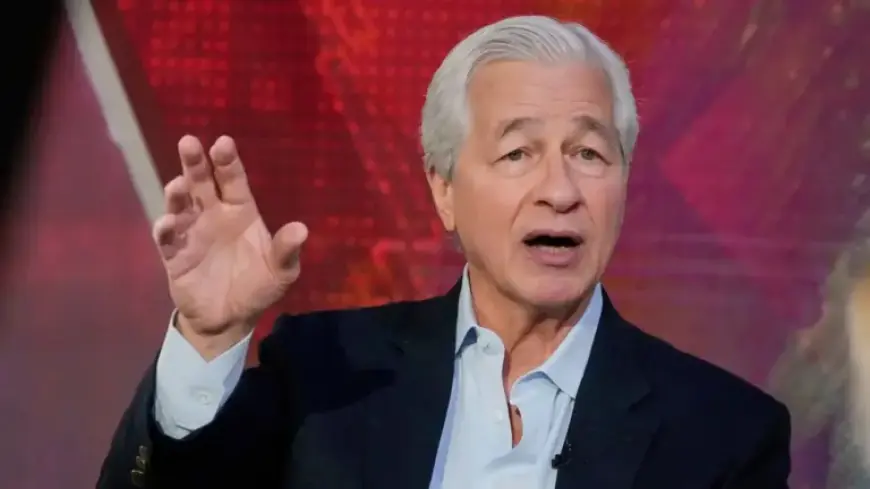
In his recent annual shareholder letter, JPMorgan Chase CEO Jamie Dimon expressed concerns about potential inflation pressures stemming from the ongoing conflict in Iran. He highlighted that disruptions in global energy markets could significantly impact the U.S. economy.
Impact of Iran Conflict on Inflation
Dimon described inflation as the “skunk at the party” for the current economic landscape. He warned that instability in oil and commodity markets could affect various sectors, including:
- Gasoline prices
- Manufacturing costs
- Shipping and supply chain operations
According to Dimon, sustained inflation may compel the Federal Reserve to maintain higher interest rates for an extended period. This scenario poses significant risks to the broader economy and the stability of the financial system.
Geopolitical Influences
Dimon emphasized the complex global supply chains that many countries rely on. He noted that these networks are already facing disruptions in various areas such as:
- Shipbuilding
- Food production
- Agricultural activities
The outcomes of current geopolitical events may shape the future of the global economic order, according to Dimon, although he cautioned that such outcomes remain uncertain.
Dimon’s Optimistic Outlook
Despite the challenges posed by geopolitical instability, Dimon maintained a generally positive outlook. He pointed out the resilience of the U.S. economy, noting that consumers continue to earn and spend, although recent trends show some weakening. He highlighted the overall health of businesses in the current climate.
Moreover, Dimon acknowledged the broader risks associated with Iran’s regime, which he stated has historically contributed to terrorism and violence. The conflict’s implications extend beyond economics, affecting tens of thousands of lives over the years, including Americans.
Through his letters, Dimon continues to address significant economic and policy issues, drawing from experiences that include the COVID-19 pandemic, U.S. political changes, the global financial crisis, and trade tensions. As the situation evolves, the implications for inflation and interest rates will remain critical for stakeholders and policymakers alike.