
























iPhone Captures Stunning Lunar Surface Image by Astronaut Reid Wiseman

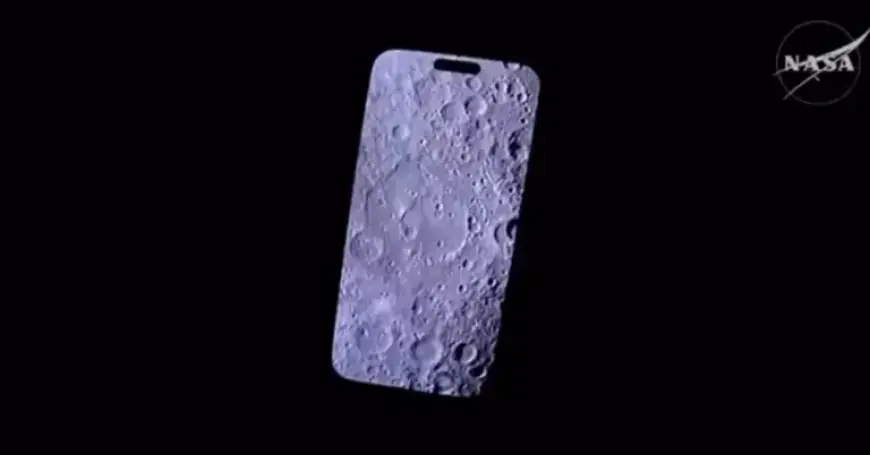
During the Artemis II mission, Commander Reid Wiseman utilized his iPhone 17 Pro Max to take an impressive photograph of the lunar surface. This event marked a significant milestone in how NASA integrates technology and space exploration.
Artemis II Mission Highlights
The Artemis II spacecraft recently made its historic lunar flyby. This mission is notable for being the first time astronauts were allowed to document their journey using modern smartphones, a move that demonstrates NASA’s adaptability to current technology.
- Commander: Reid Wiseman
- Smartphone Used: iPhone 17 Pro Max
- Date of Flyby: April 6, 2026
Photographic Innovations in Space
Besides the iPhone 17 Pro Max, the Artemis II crew utilized various cameras for capturing their experiences, including:
- GoPro HERO 4 Black
- Nikon D5
- Nikon Z 9
These images are being shared on NASA Johnson’s Flickr account, offering a glimpse into the crew’s adventure.
Reid Wiseman’s Stunning Lunar Capture
As the spacecraft approached the Moon, Wiseman took center stage during a livestream. While NASA Public Affairs Officer Leah Mustachio discussed the mission, Wiseman showcased a breathtaking image of the lunar landscape. He confirmed that the photo was taken with the iPhone’s 8x zoom feature.
The Chebyshev Crater
The captured image specifically displays the Chebyshev crater, according to Mission Control. This highlight underscores how astronauts can use compact technology to document pivotal moments in space exploration.
Looking Ahead
As the Artemis II crew wrapped up their post-lunar flyby activities, they began sending some of their photographs back to Earth. While it’s still unclear if Wiseman’s photo will be included, updates will be made to NASA’s Flickr account as additional images become available.
The integration of smartphones like the iPhone 17 Pro Max into space missions reflects a growing trend in using consumer technology to enhance scientific exploration. For those interested in following the Artemis II mission, the livestream continues to provide real-time updates and insights.