






















GOP Officials: Court Likely to Halt Trump’s Anti-Voting Order Soon

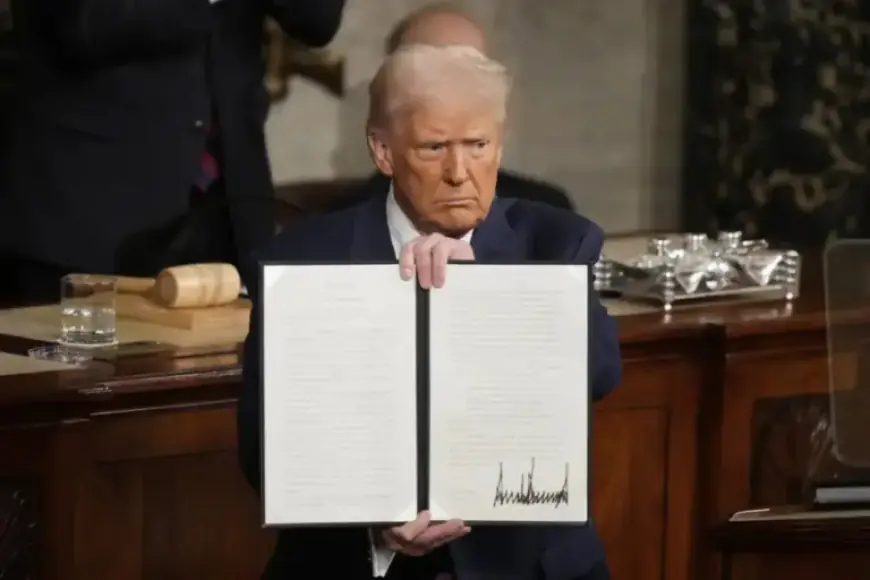
Recent comments from Republican officials indicate that former President Donald Trump’s executive order to limit mail-in voting is likely to face significant legal challenges. Al Schmidt, the Pennsylvania Secretary of State, and Stephen Richer, the former recorder of Maricopa County, Arizona, shared their insights on this issue.
Trump’s Anti-Voting Order Under Scrutiny
Schmidt stated on “This Week with George Stephanopoulos” that he is confident in a favorable outcome for states challenging the order. His state is among nearly two dozen currently involved in lawsuits against this executive directive. Richer, now affiliated with the Cato Institute as a legal scholar, concurred, expressing belief that the order will be swiftly enjoined by the courts.
Concerns Over Election Integrity
Both officials voiced grave concerns regarding the potential impact of Trump’s actions on public trust in elections. Schmidt emphasized the necessity for clarity and security leading up to the midterm elections. He warned that confusion could undermine voter confidence, stating, “We want voters to know that the election is going to be free, fair, safe and secure.”
Richer also criticized Trump’s narrative, noting the lack of evidence supporting claims of a stolen 2020 election. He mentioned that extensive investigations and audits in Arizona had found no wrongdoing, saying, “I don’t think that’s going anywhere,” regarding the ongoing federal probe into the state’s election results. He highlighted that over 10,000 hours had been spent on such investigations without any findings to substantiate the claims of fraud.
State Authority on Elections
Richer pointed out that Trump’s executive order might be redundant for Arizona, which already implements essential features such as proof of citizenship and ballot tracking. Most states have similar provisions, reinforcing the argument that election management is a state responsibility, not a federal one. He reiterated that the Constitution grants states the authority to determine their electoral processes.
Conclusion
As the legal challenges to Trump’s anti-voting order progress, the mix of skepticism from within the Republican Party reveals a growing concern about maintaining election security and integrity. Both Schmidt and Richer hope that continued scrutiny will help the public recognize the lack of evidence supporting unprecedented claims of electoral fraud.