










Trump’s Journalist Threats Ignite Backlash: ‘Dictator-like Talk’

Recent events surrounding President Donald Trump have ignited significant backlash, following his threats towards journalists about the leak of sensitive information regarding a U.S. military operation in Iran. This operation involved the rescue of two airmen after an F-15E fighter jet was shot down by Iranian forces.
Details of the Military Operation
On Friday, an F-15E jet was downed, leading to a high-stakes rescue mission. The U.S. military successfully extracted one pilot and a second airman who had been hiding in the mountainous terrain of Iran. The operation took approximately seven hours and was conducted in broad daylight.
Trump’s Accusations and Threats
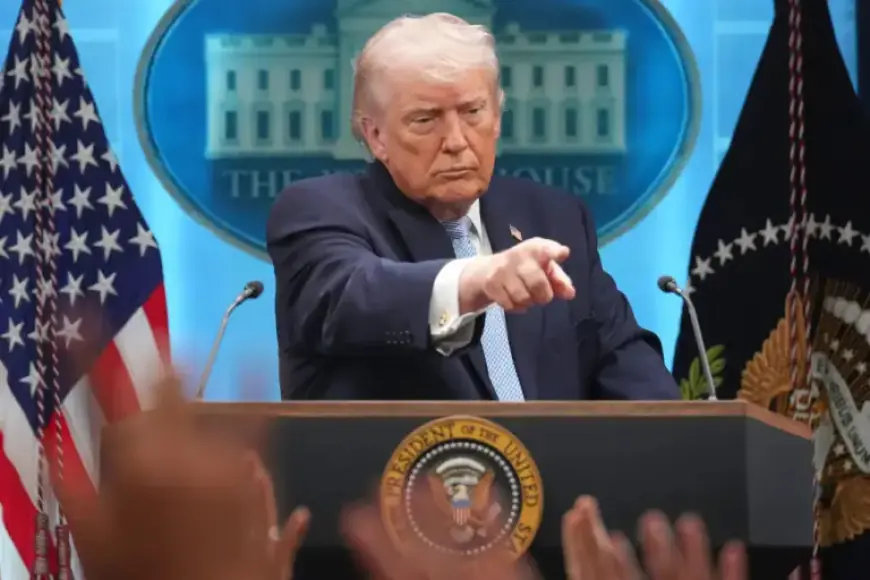
During a press conference on Monday, Trump expressed his frustration over media reports that indicated a second airman was missing. He did not disclose the specific media outlet he was referring to but threatened to take action against the journalist responsible for the leak. His remarks included:
- “We think we’ll be able to find it out, because we’re going to go to the media company that released it.”
- He referred to the threat as necessary for national security, stating, “Give it up or go to jail.”
Trump emphasized the risk posed by the leak, claiming it jeopardized the safety of the airmen and granted Iran knowledge of their presence in the country.
Reactions from the Media and Analysts
The president’s comments have drawn sharp criticism on social media. Many users pointed out that his threats resembled “dictator-like talk.” Analysts and journalists have noted the potential implications of such remarks on press freedom.
- Political analyst Kurt Bardella commented, “But don’t dare call him a wannabe authoritarian…”
- Tommy Vietor from “Pod Save America” highlighted concerns about prosecuting foreign journalists.
- Military veteran Craig Bowden noted that it is common knowledge the F-15E has a two-member crew, making assumptions about the missing airman reasonable.
Legality of Trump’s Threats
It is important to note that most U.S. states have “shield laws” protecting journalists from revealing their sources. However, there is no federal law granting similar protection. Trump’s remarks have raised questions about the implications for journalistic integrity and freedom of the press.
Conclusion
As the situation continues to develop, the conversation around government accountability, press freedom, and national security remains at the forefront. Trump’s threats toward journalists not only highlight the tensions between the media and the administration but also spark broader discussions about the role of the press in reporting on military operations.