





















The Disappearance of Zenith TVs: Unraveling the American Brand’s Decline

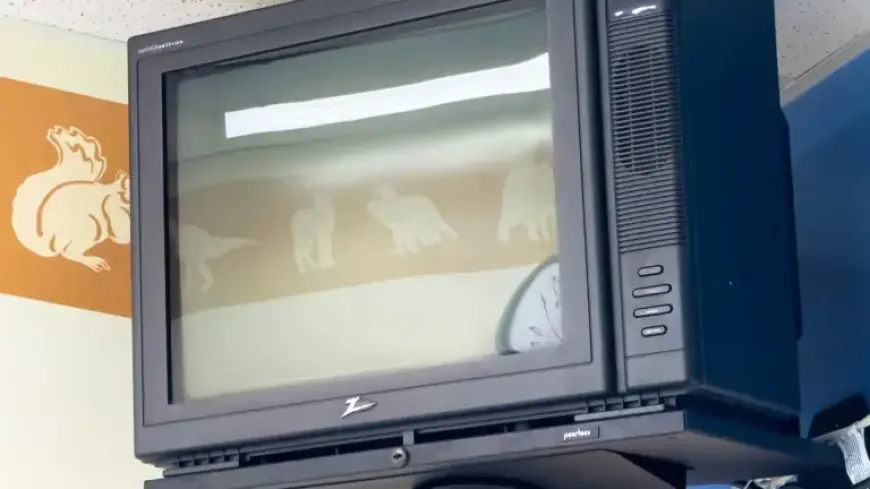
Zenith was once a leading American television manufacturer recognized for its premium quality sets. The brand’s slogan, “The quality goes in before the name goes on,” showcased its commitment to excellence. However, the company faced significant challenges, leading to its decline and eventual disappearance from the market.
The Disappearance of Zenith TVs: A Look at the American Brand’s Decline
In 1999, Zenith filed for Chapter 11 bankruptcy, marking a critical point in its history. At this time, GoldStar, which later became LG, acquired the remaining shares of Zenith. This acquisition shifted Zenith’s focus away from television production, turning it into a subsidiary.
Rise and Fall of Zenith
Zenith was a pioneer in producing high-definition televisions (HDTVs), launching products that gained popularity around 1998. However, several factors contributed to its unfortunate decline:
- Increased Competition: Brands like Sony, Panasonic, RCA, and Magnavox became formidable rivals, introducing competitive products.
- Shifting Production: Many manufacturers relocated their operations to countries with cheaper labor, forcing Zenith to make similar moves that compromised quality.
- Market Size: Compared to its larger competitors, Zenith was relatively small, limiting its marketing and innovation capabilities.
These challenges resulted in Zenith struggling to maintain its market presence. As other brands innovated and improved their products, Zenith could not keep pace.
The Legacy of Zenith
Today, old Zenith models, especially CRT TVs, are still appreciated by retro enthusiasts. These sets are ideal for vintage gaming and watching classic movies. Although they are bulky and require sturdy furniture, they continue to attract consumers interested in nostalgia.
In conclusion, the decline of Zenith TVs reflects the intense competition and rapid innovation in the electronics industry. The company’s conservative approach and failure to adapt ultimately led to its absorption by LG and the end of an American icon in television manufacturing.