






















Universities Grant Exam Deferrals and Tuition Holds Amid Middle East Conflict

In response to the ongoing conflict in the Middle East, several universities in Canada are adapting their policies to support international students affected by the crisis. Initiatives include exam deferrals and extensions on tuition payments, reflecting an understanding of the unique challenges faced by students from impacted regions.
Universities Implement Support Measures
The University of Victoria has proactively reached out to its students connected to Iran, providing personalized support. This includes special bursary funding and lifting registration holds linked to past due tuition. Additionally, the university is accommodating applicants struggling to fulfill final admission requirements amidst the ongoing turmoil.
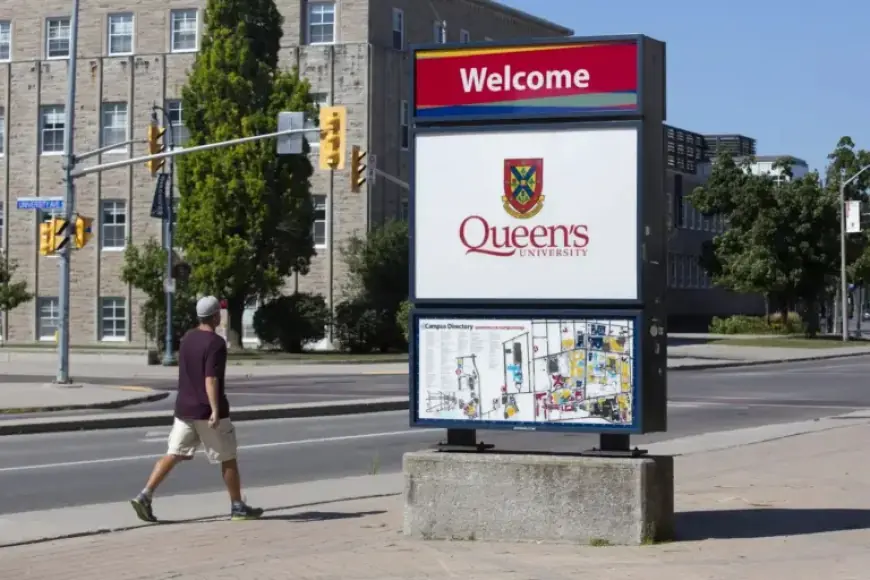
Queen’s University has also stepped in, offering extensions on winter tuition payments without late fees. They have implemented access to emergency bursaries and enhanced mental health resources for students affected by the conflict. A spokesperson emphasized that students are encouraged to seek assistance as they encounter challenges due to the situation.
Carleton University, too, is granting flexibility for affected students concerning admissions documents and exam deadlines. Moreover, they are evaluating requests for tuition relief on a case-by-case basis. McGill University has communicated with students from regions including Iran, Lebanon, and Israel, sharing information about academic accommodations and mental health resources available to them.
Context of the Ongoing Conflict
The escalating conflict has taken a severe toll, with reports from the Associated Press indicating over 1,900 deaths in Iran and more than 1,300 in Lebanon. The U.S. and Israel’s military actions began on February 28, deepening concerns for many families in affected regions.
As of December 31, 2024, data from Immigration, Refugees and Citizenship Canada highlighted that there are over 23,000 study permit holders from Iran and around 1,800 from Lebanon currently in Canada.
Community Response and Advocacy
Student organizations across Canada are not remaining idle. They are organizing fundraisers, gatherings for Nowruz, discussions, and demonstrations to raise awareness and support for those impacted by the conflict. Amir Moghadam, an Iranian international student and president of the University of Toronto Graduate Students’ Union, has voiced support for these initiatives.
Moghadam, who has been studying in Canada for five years as a PhD candidate in biomedical engineering, described the extensions and tuition pauses offered by universities as “positive steps.” However, he emphasized the need for a systematic approach to support all international students facing crises.
He highlighted several critical needs, including dedicated emergency funding and tailored mental health services. “Currently, Iranian students are grappling with communication barriers and financial difficulties due to the crisis,” Moghadam stated, urging for more robust institutional responses.
His organization is actively collaborating with university administration to secure accommodations such as extended deadlines, leaves of absence, and modified research expectations. They also provide an emergency grant program, offering up to $1,000 for students facing financial challenges due to such crises.
Moghadam’s personal experience underscores the emotional toll of being far from home during a crisis. He advocates for comprehensive support systems that can be mobilized swiftly as different communities face their own challenges in the future.