






















Government Expedites £12,000 Solar Panel Grants for Households

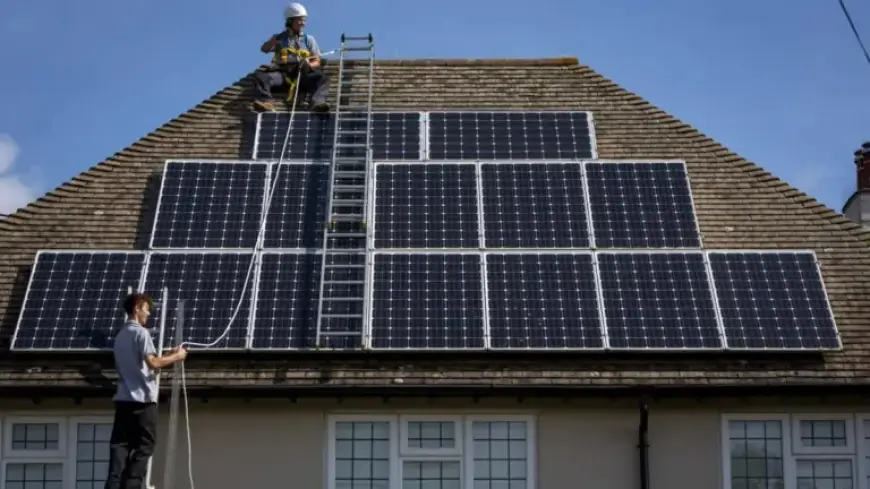
The UK government is fast-tracking the distribution of grants for solar panels and battery installations. These initiatives aim to alleviate financial pressures faced by households due to the recent geopolitical conflicts affecting energy prices. The support scheme is designed to offer low-income families solar panel installations valued up to £12,000 at no cost.
Key Features of the £12,000 Solar Panel Grants
The government, as part of its £15 billion Warm Homes Plan, set aside £5 billion for free home upgrades aimed at low-income households. These grants will be available for technologies that best suit each home, including solar panels, batteries, and insulation.
Eligibility and Funding
- Low-income families may receive fully funded solar panel systems.
- Higher earners are eligible for zero or low-interest loans for upgrades.
- The grant is expected for households with an income of around £35,000 or less.
- The average cost for the installations ranges from £9,000 to £12,000.
Discussions within the government indicate an urgency to roll out these funds faster due to rising energy costs linked to current global events. The situation has escalated the need for effective support mechanisms.
Impact of the Energy Crisis
The UK is witnessing a spike in energy costs, with the average annual gas and electricity bill projected to rise significantly. Energy consultancy Cornwall Insight forecasts an increase to £1,929 from July, driven by ongoing tensions in the Middle East.
The government sees solar power as an essential strategy to tackle these energy price challenges. Reports from Octopus Energy indicate that solar panel sales have surged by 50% since the conflict began, reflecting heightened demand for renewable energy solutions.
Potential Savings with Solar Energy
According to estimates, households that install solar panels coupled with battery storage can achieve substantial savings on their energy bills:
- A three-bedroom mid-terraced home could save around £450 annually.
- A three-bedroom detached house could see savings increase up to £800 per year with optimal tariff use.
Future Initiatives and Community Projects
The Government’s push extends beyond individual household support. Efforts are underway to enhance neighborhood-by-neighborhood retrofitting and projects focused on decarbonizing social housing, spearheaded by local authorities.
Encouraging Solar Technology Adoption
The clean technology sector has embraced the Warm Homes Plan, anticipating accelerated demand for solar installations. The potential rollout of battery storage is expected to bolster home energy independence, supporting the overall electrification of residential and renewable power systems.
However, experts emphasize that financing mechanisms, such as tax-saving salary sacrifice schemes, should be evaluated to enhance access to solar technology. These schemes have proven successful in the electric vehicles sector and could offer similar benefits for solar adoption.
The UK government’s initiative to expedite £12,000 solar panel grants for households reflects an adaptive response to current energy challenges, aiming to improve energy security while easing financial burdens on citizens.