

























Pentagon Concerns Rise Over War Strategy After Army Chief’s Ouster

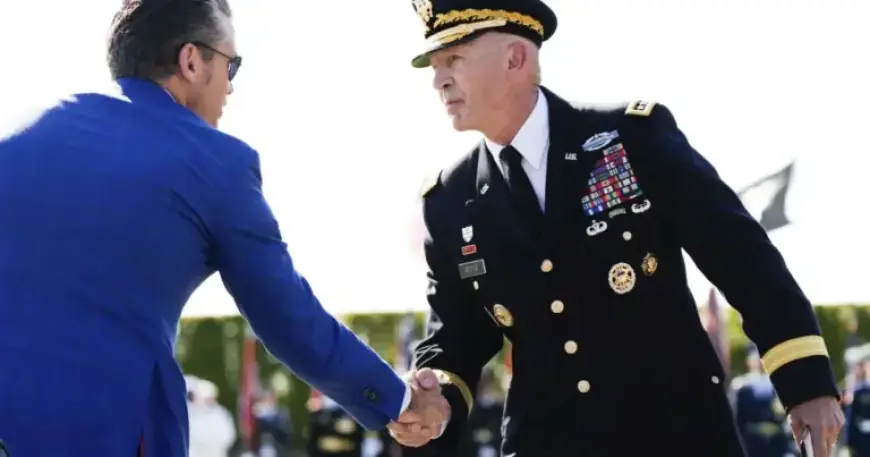
Concerns are escalating within the Pentagon regarding the U.S. military’s strategy amid the ongoing war in Iran. The recent ousting of Army Chief of Staff Gen. Randy George has intensified these worries. His dismissal occurs just weeks after the Iran conflict began, during which he warned of the challenges faced by the U.S. military’s stockpiles.
Leadership Changes Amid Conflict
Gen. Randy George was removed by Defense Secretary Pete Hegseth without explanation. This decision marks a significant leadership shakeup in the middle of an active conflict. Notably, Hegseth has dismissed five joint chiefs in the past year, leaving only two remaining in their roles.
Concerns from Military Officials
The abrupt change in leadership has raised alarms among Pentagon officials. They worry that removing key figures responsible for soldier training and equipment supplies could lead to operational chaos. Senators Roger Wicker, Tom Cotton, and Joni Ernst have voiced concerns that such actions could undermine the war effort.
Stockpile Management Challenges
As the military engages in sustained operations, worries about U.S. weapon stockpiles have emerged. Air Force Secretary Troy Meink previously stated that munitions shortages were a concern even before the war commenced. He emphasized the need for better threat assessment and supply chain responsiveness.
The Role of Stockpiles in Warfare
- The U.S. military relies heavily on specific munitions like Tomahawks, Terminal High Altitude Area Defense systems, and Patriots.
- Current tensions have placed additional strain on these depleted inventories.
- Long-range weapons may become vital due to recent Iranian attacks on U.S. aircraft.
Despite President Trump asserting that no shortages exist, efforts to ramp up production have been initiated with major contractors. However, experts like Jerry McGinn from the Center for Strategic and International Studies stress that the Pentagon must enhance its capabilities to manage stockpiles effectively.
Strategic Shifts on the Battlefield
As Iran’s air defenses weaken, the U.S. may shift towards using laser-guided munitions, which could alleviate some pressure on ammunition supplies. However, the downing of U.S. aircraft suggests that a balanced arsenal is still crucial.
Pentagon Reactions and International Implications
The recent dismissals have not gone unnoticed internationally. Iran’s diplomatic mission in South Africa expressed its approval on social media, implying that the U.S. leadership changes represent a form of “successful regime change.”
As the conflict continues, the Pentagon’s focus will remain on ensuring that the military maintains adequate support and resources during these turbulent times. The effectiveness of the U.S. strategy in Iran hinges on overcoming these leadership and logistical challenges.