
























Young Aussies Struggle to Justify Rising Fuel Costs for Commuting

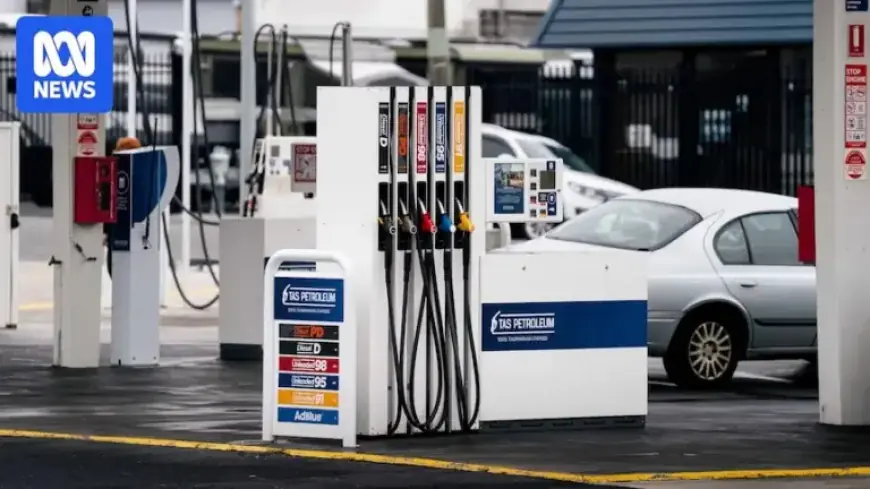
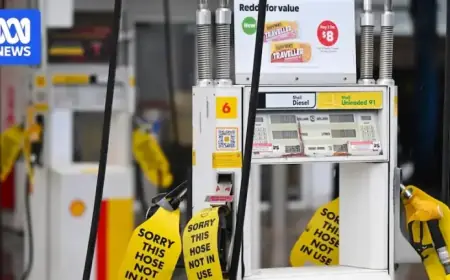
Young Australians are feeling the squeeze of rising fuel costs, forcing many to rethink their commuting habits and job prospects. Fuel prices have skyrocketed, creating a burden that impacts both urban and rural residents.
Fuel Costs Push Young Aussies to Make Tough Decisions
Recent reports indicate that young people in Australia are taking drastic measures due to the soaring cost of fuel. Many have cut back on work, as the expenses associated with commuting often exceed their earnings for the day. This trend has been echoed across social media platforms, where numerous individuals have shared their struggles.
Government Response
In response to ongoing concerns, the federal government announced a fuel excise reduction, set to take effect Wednesday. This temporary measure aims to provide a savings of approximately 26 cents per liter. However, given that fuel prices have risen significantly in recent weeks, many Australians remain concerned that this cut does not sufficiently alleviate the financial pressure on their budgets.
Personal Stories from Affected Young Australians
- Tam Stevens, 28, from Pura Pura, Victoria:
After finding that commuting costs exceeded her earnings, Stevens left her job. She now contemplates seeking support from Centrelink or working on her partner’s farm instead. The farm is also facing challenges, with limited diesel supplies affecting operations. - Izzy Van Der Vliet, 24, Sydney:
A disability support worker, Van Der Vliet struggles with the cost of traveling long distances to see her clients. Although she wishes to support them, the rising fuel expenses threaten her ability to continue doing so. - Luke Barbuto:
This Newcastle resident drives to a winery in the Hunter Valley, spending about 10% of his take-home pay on fuel. He utilizes walking and carpooling options to mitigate costs, yet must travel for his job.
Impact on Daily Lives
The financial strain caused by rising fuel prices is discouraging many from taking jobs that require extensive commuting. The federal government has urged Australians to consider public transport, but this is not always feasible for those whose jobs demand personal vehicles.
As these challenges continue, the broader picture reveals how fuel prices influence daily life and employment opportunities for young Australians. With only temporary measures in place, the question remains as to what long-term solutions may arise to address these critical issues.