





















Artemis II Astronauts Experience Extended Screen Time in Space Mission

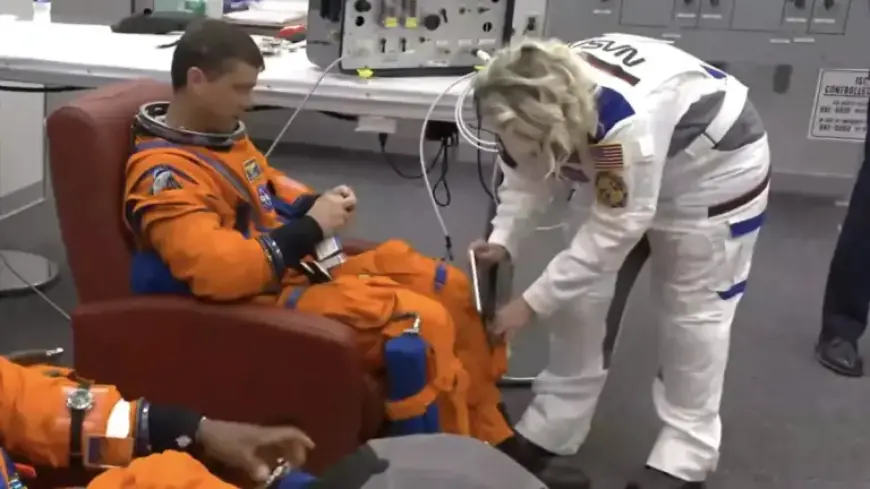
The Artemis II mission marks a significant milestone in space exploration, as NASA embraces modern technology during its lunar mission. This mission features a crew equipped with the latest iPhones, enabling them to share their experiences in real-time.
Artemis II Crew Utilization of Technology
Before embarking on their journey to the Moon, the Artemis II crew, commanded by Reid Wiseman, received iPhone 17 Pro Max devices for communication and capturing memories. NASA Administrator Jared Isaacman praised this technological integration, suggesting it modernizes the spaceflight experience.
Cost and Innovation
The Artemis program has a projected budget of approximately $90 billion. The inclusion of smartphones, priced at around $2,000, addresses the perception that NASA’s projects are excessively costly, as illustrated by the historical “space pen” narrative.
Smartphones in Space History
- The last space shuttle mission in 2011 involved an iPhone 4S for an experiment.
- Private space flights have previously allowed the use of smartphones.
- The Artemis II mission represents the first usage of iPhones that seemingly face heavy use in space.
Despite modifications limiting connectivity, these devices provide crews with tools for documenting their journey. Wiseman emphasized the importance of sharing these unique experiences with loved ones and the wider public.
Challenges with Technology in Space
On the first day of the mission, Wiseman encountered technical difficulties while troubleshooting a personal computing device, specifically a Microsoft Surface Pro tablet. He humorously noted issues with Microsoft Outlook, a challenge many can relate to.
Real-time Issue Resolution
Fortunately, support from NASA’s Houston team quickly rectified the Outlook problems, demonstrating efficient coordination in space. The Surface tablet serves multiple purposes, including family conferences, storage for images, and access to office applications.
A Shift in Space Aesthetics
The visibility of such familiar technology in space may evoke mixed feelings. Astronauts using tablets and smartphones can create a more relatable, less cluttered aesthetic compared to traditional depictions of space missions.
Psychological Stability of Astronauts
Concerns about astronauts using personal devices during missions are understandable, yet their training ensures mental stability and resilience. As humanity prepares for increased lunar and interplanetary missions, the presence of technology may serve as both a comfort and a challenge.
In summary, Artemis II is not just a mission to the Moon but also a testament to the integration of modern technology in the realm of space exploration, ushering in a new era for astronauts.