
























40 Nations Discuss Reopening Strait of Hormuz After Iran Blockade, Says Britain


LONDON/PARIS, April 2, 2026 — Filmogaz.com reports: About 40 nations held a virtual meeting hosted by Britain discussing reopening the Strait of Hormuz. The talks addressed an Iran blockade that has effectively closed the waterway.
Who took part
British Foreign Secretary Yvette Cooper chaired the session. She described Iran’s actions as reckless and damaging to households and businesses worldwide.
Participants included France, Germany, Canada, the United Arab Emirates and India. The United States was not part of the discussions.
Meeting focus and early outcomes
Officials said the initial talks looked at which countries might join a proposed coalition. They also examined diplomatic and economic measures to persuade Iran to reopen the strait.
No binding agreements were reached. Delegates agreed Iran should not impose transit fees and that freedom of navigation must be preserved.
Planned military consultations
Military planners will convene next week to consider practical options. Discussions will include mine-clearing and a reassurance force for commercial shipping.
France and Britain are leading the effort to form a coalition. European nations had earlier resisted naval deployments over fears of being drawn into the conflict.
Operational challenges and risks
The Strait of Hormuz carries roughly one fifth of global oil consumption. Its closure followed U.S.-Israeli strikes that began in late February.
France’s armed forces spokesperson, Guillaume Vernet, said reopening would be multi-phased. He added it could not proceed until hostilities end.
Security and insurance concerns
Officials highlighted the need to restore shipowners’ confidence and to reduce insurance premiums. Coordination with Iran for security guarantees was noted as unlikely in the near term.
Vernet said adequate vessels, air and sea coordination, and intelligence-sharing will be necessary. France has begun discussing the military assets that might be provided.
Political viewpoints
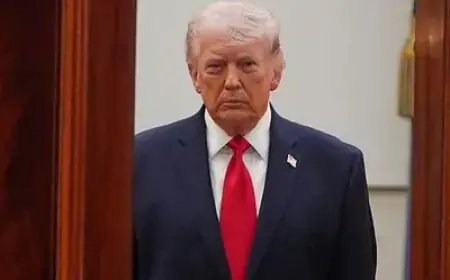
U.S. President Donald Trump urged other countries relying on the strait to take responsibility for its security. He suggested they should act directly to secure the waterway.
President Emmanuel Macron called a military seizure unrealistic. He warned of prolonged exposure to coastal threats from Iran’s Revolutionary Guards and ballistic missiles.
Next steps
Diplomatic and military tracks will continue in parallel. The coming meetings will seek ways to reopen the Strait while limiting escalation.
Filmogaz.com will monitor the evolving coalition effort and the planned military consultations. The priority remains restoring safe, free passage through the waterway.