






















Anthony Albanese Vows to Shield Australians Amid Iran War Crisis

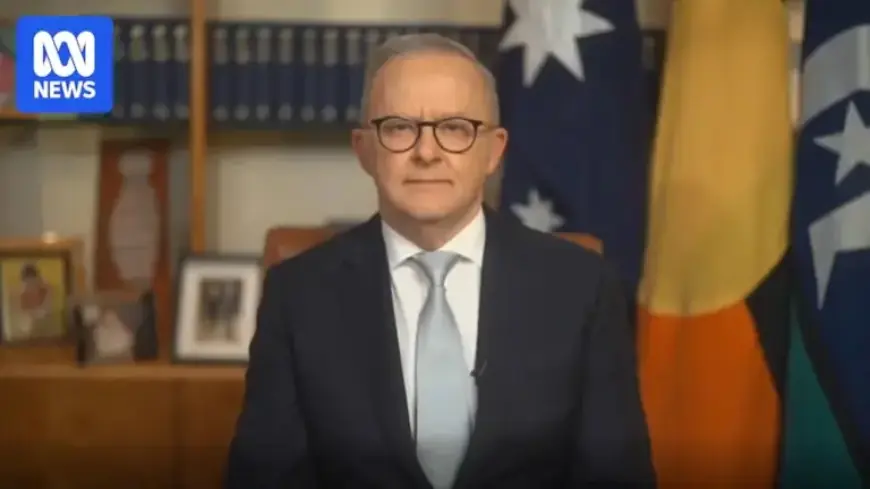
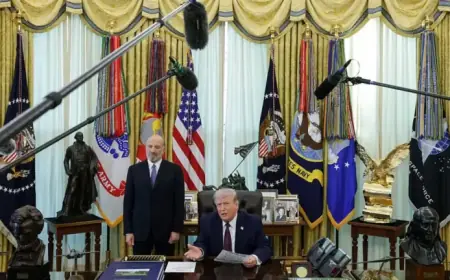
Prime Minister Anthony Albanese delivered a pre-recorded national address on 1 April 2026. He outlined federal steps to respond to the fallout from the Middle East conflict. The speech focused on practical measures and public appeals to conserve fuel.
Summary of the national address
The address was one of only a few in Australian history. The prime minister warned of tough months ahead and said no government could remove every pressure. He promised to do everything possible to protect the country.
Albanese urged Australians to avoid panic buying. He advised motorists to fill up as usual and to take only the fuel they need. He also encouraged use of public transport where possible and told people to enjoy the Easter holiday.
Government coordination and tone
The prime minister said leaders across the political spectrum were coordinating responses. He framed the approach as an appeal rather than heavy-handed regulation. The message aimed to preserve fuel reserves while avoiding public alarm.
Economic measures announced
The government moved quickly on fuel costs. The fuel excise was cut by half. The Heavy Road User Charge will be set to zero for the next three months.
Officials also pledged to increase onshore supply. They aim to make more fuel domestically and to secure additional shipments from regional trading partners. The plan includes bringing more petrol, diesel, and fertiliser into Australia.
Support for affected sectors
Albanese acknowledged families, farmers, truck drivers, and small businesses were struggling. He said price rises are already visible at service stations and supermarkets. The government said it would seek to shield Australians from the worst impacts.
Regional incidents and wider context
The address came amid a widening Iran conflict that has disrupted global energy flows. Qatar reported three cruise missiles launched from Iran. Two missiles were intercepted, and a third struck a tanker leased to QatarEnergy.
The tanker had 21 crew members aboard. Authorities evacuated the crew with no reported casualties. The strike highlighted risks to shipping in the Gulf and the vulnerability of regional refining capacity.
Other war-related developments
Reports indicate a US Tomahawk missile struck a girls’ school in Iran. That incident has been described by observers as a potential war crime. US authorities have opened an internal investigation into the strike.
Damage to refineries and ports could take years to repair. One refinery executive said rebuilding could take about five years. The economic hit to Gulf producers may cost billions in lost revenue each year.
Implications for shipping and the Strait of Hormuz
Analysts warn that the Strait of Hormuz has become a choke point. If it reopens fully, maritime traffic could resume quickly. But infrastructure damage will impede recovery and prolong supply shortages.
Domestic impact and public response
Rising fuel and food prices are expected to continue in the near term. The prime minister stressed Australia is not an active participant in the conflict. Still, the nation faces economic shockwaves from the Iran war crisis.
Anthony Albanese pledged practical protection for citizens. He called on Australians to “do their bit” and to act considerately. The government said it will coordinate further steps if long-term disruptions continue.
What officials want from the public
- Fill up as you normally would. Do not hoard fuel.
- Use public transport where possible.
- Think of essential services and regional communities.
Filmogaz.com will continue to follow developments and report on any new measures. The federal government said further announcements will come if the global situation worsens.