






















Trump Announces Plan to Withdraw U.S. from War in Weeks

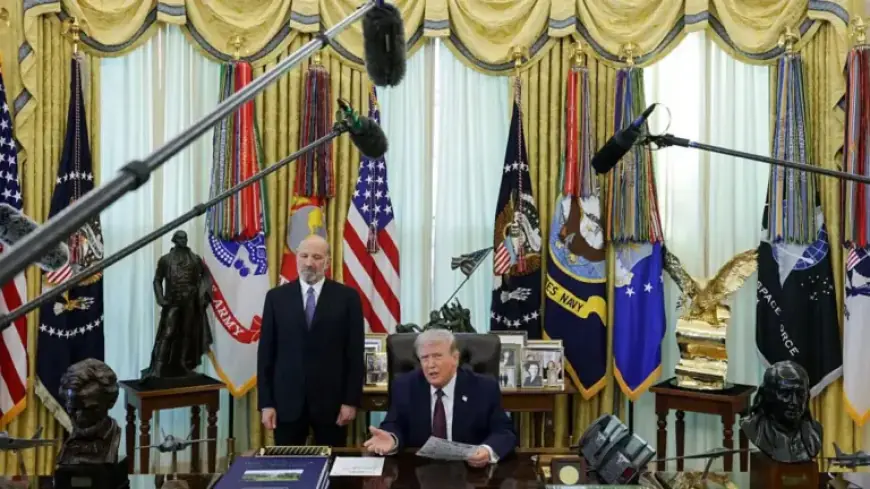
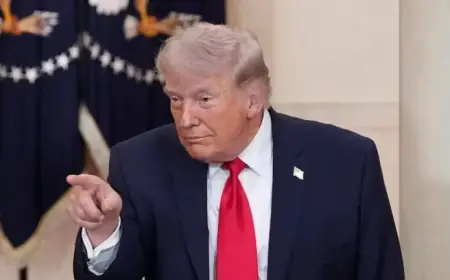
President Donald Trump plans a national address on the Iran war Wednesday at 9 p.m. Eastern. White House press secretary Karoline Leavitt called it “an important update.”
Administration statements and objectives
Trump said he expected the conflict to end in two to three weeks. He added the U.S. would be leaving very soon and predicted falling gas prices.
Senior officials discussed aggressive options earlier this week. Threats included seizing Iranian oil and targeting power and desalination facilities.
Secretary of State Marco Rubio said the administration had met its central goal. He listed objectives to destroy Iran’s air force and navy.
Rubio also cited plans to severely reduce Iran’s missile launch capabilities and to dismantle specific industrial infrastructure.
Policy shifts and regional posture
Regime change was not listed among current objectives. The administration has described a narrower set of military aims.
Amid these developments, the administration signaled a desire to withdraw U.S. forces, framing a plan to withdraw U.S. from war in weeks.
Recent battlefield developments
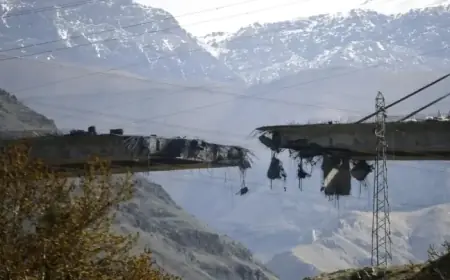
The Israel Defense Forces reported striking about 230 targets in Tehran. Israel has also expanded operations into Lebanon.
Iran has retaliated against Gulf neighbors. Attacks struck military bases used by U.S. forces this week.
An assault in Saudi Arabia wounded as many as 20 U.S. service members. Since the conflict began, 13 U.S. service members have died.
Iranian authorities say more than 1,700 people have been killed inside Iran.
Wider regional attacks and civilian toll
Yemen’s Iran-backed Houthi rebels claimed missile strikes on Israel. The Israeli military said it intercepted many projectiles.
Israeli emergency services reported 14 people injured in central Israel, including children. Kuwaiti airport fuel depots burned after drone strikes.
A Kuwaiti tanker near Dubai was struck earlier. Iran-launched missiles also hit an oil tanker leased to QatarEnergies, with no reported injuries.
Diplomatic responses and economic measures
British Prime Minister Keir Starmer addressed the nation on rising costs tied to the conflict. He pledged to limit Britain’s role to defensive actions.
Starmer said his foreign secretary will convene an international summit on the Strait of Hormuz to restore freedom of navigation.
Australian Prime Minister Anthony Albanese announced plans for a national address. He recently cut fuel tax by half for three months.
Pakistan and China issued a joint statement urging talks. They called for a cease-fire and an end to attacks on civilian infrastructure.
China remains a major customer for Iranian oil and has signaled support for mediation efforts.
Security, humanitarian and logistical fallout
American freelance reporter Shelly Kittleson was reportedly abducted in Baghdad. Iraqi forces arrested one suspected kidnapper after a vehicle crash.
U.S. officials said they are working with Iraqi authorities and the FBI to secure her release. Rights groups demanded urgent action.
U.S. Defense Secretary Pete Hegseth made an undisclosed trip to the region to visit troops. He described efforts to strengthen bunkers and layered air defenses.
The Pentagon named the campaign Operation Epic Fury. It reported 13 U.S. service members killed and roughly 300 wounded.
Humanitarian supply chain disruption
The World Food Program warned that tens of thousands of tons of food aid are stuck in ports. Shipping delays stem from avoidance of the Strait of Hormuz and Suez Canal.
WFP said the disruptions add about a month to transit times and increase costs due to higher fuel prices. It warned of rising global hunger.
If current conditions persist through June, WFP estimates 45 million more people could face acute hunger. Global totals could reach 363 million.
- Key figures: 230 targets struck in Tehran; 13 U.S. service members killed; over 1,700 Iranian fatalities reported.
- Humanitarian warning: 45 million additional people at risk of acute hunger by June.
- Diplomatic moves: Pakistan-China joint call for talks and a summit on the Strait of Hormuz.
Filmogaz.com will continue to follow developments as leaders, militaries, and aid agencies respond to the widening crisis.