

























Major Airline Unexpectedly Cancels Heathrow’s Long-Haul Route

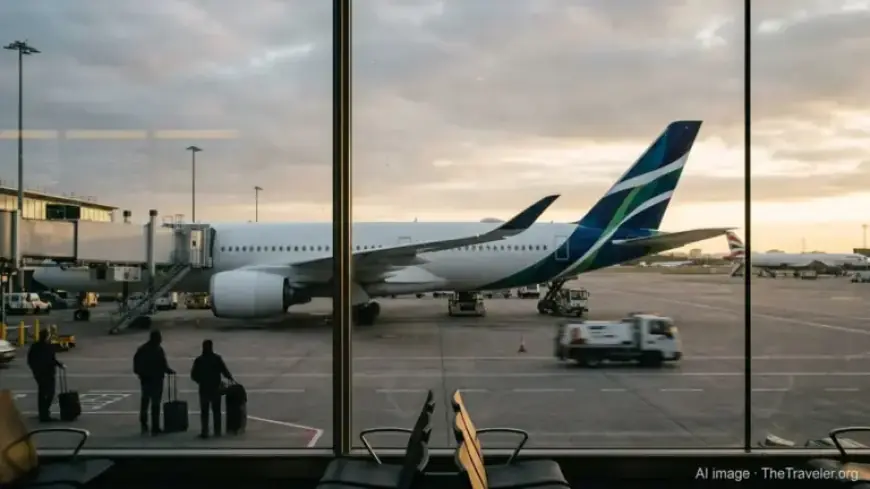
A major airline has unexpectedly cancelled a flagship long-haul flight from London Heathrow. The withdrawal was confirmed in recent timetable updates and public schedule filings.
Confirmation and passenger impact
Public schedules show the route removed from forthcoming seasons. Bookings were frozen past the carrier’s cut-off date.
Existing customers have been offered refunds or rerouting. Some are being sent via the airline’s primary hub or alliance partners.
Why the service was cut
Network analysts point to weaker yields and rising operating costs at Heathrow. Capacity constraints and high airport charges made the route vulnerable.
Competition from carriers using alternative European and Middle Eastern hubs also pressured fares. Fragmented demand across markets reduced consistent premium traffic.
Fleet and commercial pressures
The airline is prioritizing aircraft where returns are clearer. New, fuel-efficient widebodies and cabin refurbishments are steering capacity decisions.
Pressures on aircraft utilization and crew costs pushed marginal routes down the priority list. The carrier appears to be reallocating jets to higher-yield markets.
Strategic and symbolic consequences
The route had survived pandemic-era cuts and returned to the network. Its abrupt removal feels strategic rather than temporary for many observers.
For Heathrow, the withdrawal narrows long-haul options. Frequent flyers lose a familiar one-stop or nonstop link through the UK hub.
Effects on partners and corporate travel
Alliance and codeshare partners will need to adjust feed and schedules. Some may upgauge aircraft on parallel routes to capture displaced demand.
Corporate travel managers must rework approved routings. The change may add connections and longer layovers for business travelers.
Slot and airport implications
The freed slot pair at Heathrow is likely to be redeployed quickly. Options include another long-haul destination, higher frequencies, or more short-haul services.
Broader industry context
Long-haul flying remains volatile across the sector. Geopolitical shifts, uneven corporate recovery, and fuel price swings increase risk for marginal services.
Data firms forecast stronger growth in leisure markets. Traditional corporate corridors are recovering more slowly, influencing capacity decisions.
What comes next
The carrier is expected to keep refining its long-haul map over coming seasons. Fleet renewals and demand shifts will dictate future restorations or new links.
Passengers should expect airlines to act fast when economics change. The sudden cut underlines how quickly a major airline can reshuffle Heathrow long-haul route plans.
Reporting and analysis by Filmogaz.com.