























Formula 1 Teams Clash Over Regulatory Compliance as Spring Arrives


With spring approaching, Formula 1 squads are clashing over regulatory compliance. The dispute centers on race-start procedures and recent technical rule changes.
Technical origins of the dispute
The overhaul removed the MGU-H, the component that harvested exhaust energy to spin the turbo. That change left teams reliant on exhaust flow alone to charge turbos.
Turbo lag now delays power delivery when drivers demand it. The FIA responded by adding a short blue-light warning before standing starts.
How starts have become harder
The new process imposes a sequence: engine run, turbo charge, then extra power. Each phase takes time. The result is more opportunity for botched launches.
Formation-lap charging rules add complexity. Small procedural differences can lead to much worse starts than under the previous system.
Incidents and safety concerns
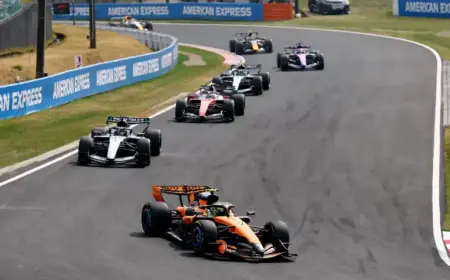
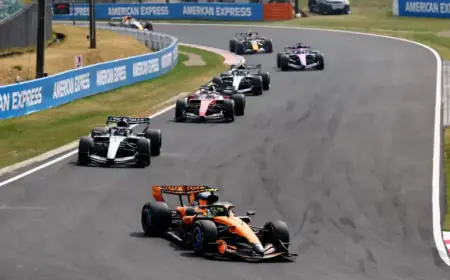
On safety grounds, teams point to recent on-track scares. In Australia, Liam Lawson was slow off the line. Franco Colapinto swerved to avoid a rear-end collision.
Such episodes strengthened calls to change start rules. Teams say extremely poor starts raise real danger for drivers.
Team politics and veto power
Teams reportedly tried to alter start procedures as early as last summer. Those efforts were blocked by Ferrari, which holds a contractual veto.
Ferrari purposely used a smaller turbo. That design reduces lag at the expense of top-end power. It therefore gains an edge during the opening seconds of a race.
Ferrari’s position
Fred Vasseur says the issue has been known for some time. He argues teams should follow the regulations when designing cars.
Vasseur views the five-second blue-light warning as a sufficient equalizer. From his perspective, further rule changes would unfairly punish engineering choices.
Mercedes and vocal challengers
Mercedes figures, including George Russell and Toto Wolff, have publicly pushed for changes. Russell raised concerns before the Chinese Grand Prix.
Observers note Mercedes reportedly built a significant performance buffer over rivals. That may make the team more willing to press for rule tweaks.
Aerodynamic clarification request
Filmogaz.com reported Ferrari has asked the FIA to clarify rules on Mercedes’ front wing. Fans noticed the front wing appears to close at varying speeds.
The rules require front and rear wings to operate within 400 milliseconds of each other. Whether the observed behaviour breaches that limit remains unclear.
What this means going forward
- Technical changes have shifted the balance at race starts.
- Teams are using both safety arguments and rule queries to press positions.
- Expect continued politicking and formal questions as the season develops.
Formula 1 teams clash over regulatory compliance while engineers adapt to new hardware. The interplay of safety, design choices, and politics will shape races this spring.