























Trump Targets College Sports Challenges with New Executive Order

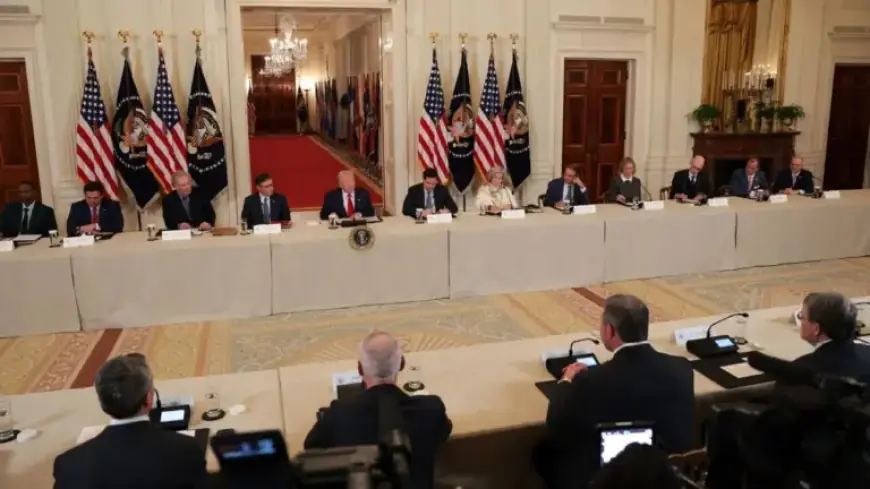
In a significant move aimed at addressing the challenges faced by college sports, President Donald Trump announced plans for an executive order. This announcement followed a pivotal meeting, the “Saving College Sports” roundtable, held at the White House. The session was attended by key figures from various sectors, including politics, sports management, and media.
Key Details from the “Saving College Sports” Roundtable
The event, held in the East Room, featured approximately 50 attendees. This diverse group included:
- Secretary of State Marco Rubio
- Florida Governor Ron DeSantis
- New York Yankees President Randy Levine
- Various college athletics officials including NCAA President Charlie Baker and commissioners from major conferences
- Former college coaches like Nick Saban and Urban Meyer
Despite their significance, notably absent were student-athletes themselves. They were represented through the voices of coaches and administrators advocating on their behalf.
Concerns and Proposals from the Meeting
The meeting highlighted urgent issues within college athletics, particularly focusing on the implications of the Name, Image, and Likeness (NIL) landscape. Trump emphasized the need for a comprehensive executive order to tackle these challenges within a week. He stated, “We’re going to get sued, and we’ll see how it plays.”
Prominent figures discussed various aspects of the evolving landscape. Nick Saban articulated the necessity for a system that supports student-athletes in their personal and academic development. He emphasized the waning focus on academics in favor of athletic performance.
Urban Meyer expressed concerns over the existing NIL framework, calling for the abolition of “collectives” that facilitate a form of pay-for-play, which he deemed unethical.
Legislative Context and Future Directions
Lawmakers underscored the need for federal legislation to organize college athletics effectively. The SCORE Act was presented as a potential avenue for establishing a national regulatory framework for NIL. Senator Ted Cruz noted the challenges ahead, stating that bipartisan support is crucial but currently lacking.
Sarah Hirshland, CEO of the United States Olympic and Paralympic Committee, warned about the declining state of funding within college sports. She pointed out that the U.S. must elevate its investment in athletics to remain competitive globally. Her remarks highlighted the sustained success of Team USA and the potential risks of undermining the college sports infrastructure.
Conclusion
As this issue unfolds, the proposed executive order appears to be a critical step towards addressing the multifaceted challenges facing college sports today. With a commitment to navigating the complexities of NIL and athlete welfare, the path ahead remains both uncertain and pivotal for the future of collegiate athletics.