
























Iran Conflict Threatens Global Economy in Trump’s Wake

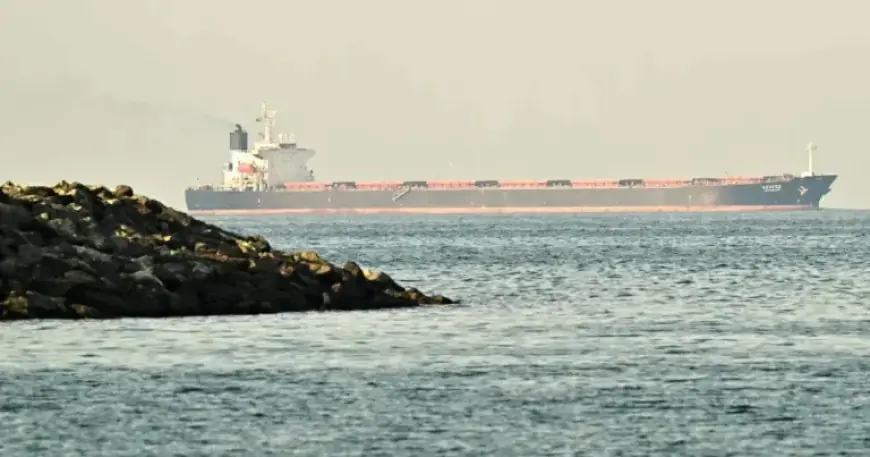
The ongoing conflict between the United States, Israel, and Iran is already impacting the global economy, particularly through rising energy prices. Central to these geopolitical tensions is the Strait of Hormuz, a vital maritime route for oil shipments.
Impact of the Iran Conflict on Global Energy Prices
The closure of the Strait of Hormuz by Iran and attacks on energy production facilities in neighboring Qatar and Saudi Arabia have raised concerns about global energy supply. This disruption comes at a time when the economy is already vulnerable due to uncertainties stemming from U.S. tariffs introduced under former President Donald Trump.
Current Oil Price Trends
As of mid-December 2023, Brent crude oil prices increased to approximately $84 per barrel, marking a 15% rise from pre-conflict prices. Despite this increase, it pales in comparison to historical crises, such as the 1973 OPEC oil embargo when prices surged dramatically.
- The United States now produces about 13 million barrels of oil per day, surpassing Iran, Iraq, and the UAE combined.
- Should the conflict continue, experts warn that oil prices could escalate sharply.
Storage Capacity and Production Concerns
JPMorgan Chase has indicated that oil-producing Gulf nations may exhaust their crude storage capacity within a month if the strait remains obstructed. Such a scenario would compel these nations to cut back on production.
- Over 20 million barrels of oil daily cross the Strait of Hormuz.
- Goldman Sachs predicts oil prices could reach $100 a barrel if disruptions persist over five weeks.
- Qatar’s energy minister has indicated that prices could soar even higher.
Global Economic Implications
The International Monetary Fund (IMF) estimates that each 10% increase in oil prices can reduce global economic growth by 0.15%. Countries in Asia—especially India, Japan, and South Korea—are particularly vulnerable, as approximately 80% of oil shipped through the strait is destined for this region.
Affected Economies
- High dependence on foreign energy imports puts nations like India and Japan at risk of economic strain.
- China may cope better due to its ample oil reserves.
Natural Gas Market Reactions
The liquefied natural gas (LNG) market is also feeling the effects of the conflict. Prices surged 50% following production halts from QatarEnergy, a major global supplier. This affects Europe, where gas reserves are already low.
Uncertainties Ahead
The extent to which Iran can maintain closures in the Strait of Hormuz poses a significant question for the global economy. A recent analysis highlighted that about 90% of normal traffic through the strait has already declined. Unpredictability in supply chains could lead to further complications.
- President Trump has discussed potential U.S. military support for shipping as a measure to stabilize trade.
- Maintaining insurance for vessels may help mitigate disruption risks.
The future ramifications of the Iran conflict remain uncertain, leaving the global economic landscape poised for potential volatility. The situation will require careful monitoring as developments unfold.