
























Anthropic’s AI Model Ignites Industry, Government Defence Strengthening Efforts

Anthropic’s latest AI model, Claude Mythos, has catalyzed a cybersecurity arms race across various sectors. While aimed at enhancing digital infrastructure defenses, the model has raised significant alarms regarding potential vulnerabilities. In light of this, industry leaders and government officials are urgently focusing on bolstering defensive capabilities.
Anthropic’s Strategic Approach to AI Model Release
Based in San Francisco, Anthropic has opted to limit access to its powerful Claude Mythos AI model. It has only provided a preview version to select industry giants, including Amazon, Microsoft, and JPMorgan Chase. This initiative, named Project Glasswing, aims to enhance the security of critical digital infrastructure against emerging threats.
Government Engagements and Cybersecurity Concerns
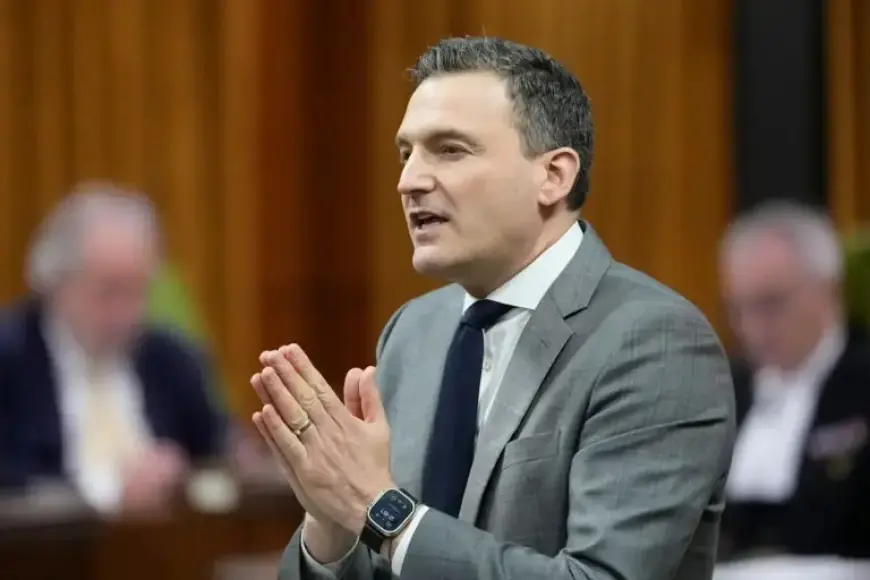
Canadian AI Minister Evan Solomon is scheduled to meet with Anthropic staff to discuss the implications of the new model. Meetings have also occurred within Canada’s financial sector to address the cybersecurity risks associated with Mythos. The Canadian Financial Sector Resiliency Group, chaired by Bank of Canada COO Alexis Corbett, evaluated the model’s potential to exploit vulnerabilities.
- Meeting Date: Recent discussions took place among banking executives and regulators.
- Participants: Canada’s six largest banks, along with various financial regulatory bodies.
Vulnerability Detection and Exploitation
Experts report that Claude Mythos has already identified thousands of vulnerabilities across major operating systems and web browsers. Its capabilities significantly surpass previous AI models, with the ability to autonomously execute complex network attacks that typically require extensive manual effort.
The Implications of Technical Debt
Industry leaders are increasingly concerned that organizations have created “technical debt” by opting for quick fixes instead of thorough solutions for software vulnerabilities. David Shipley, CEO of Beauceron Security Inc., emphasized the urgency for a global overhaul of existing code structures to mitigate risks.
Calls for Regulatory Frameworks
Citations from various experts indicate the necessity for a structured approach to AI model oversight. AI pioneer Yoshua Bengio highlighted the risks associated with commercial entities dictating the release of powerful models without external evaluation. This sentiment is echoed by Nicolas Papernot of the Canadian AI Safety Institute, who advocates for a swift update of legislative frameworks to ensure public safety.
Future Preparedness and Collaborative Efforts
The Canadian government is preparing a national AI strategy that includes security as a key pillar. Former officials like Shelly Bruce have underscored the need for minimum security standards and third-party assessments for large AI models.
- Potential Stakeholders: Canadian government, financial regulators, and major banks.
- Next Steps: Collaborative efforts for strengthening cybersecurity measures are crucial.
As discussions continue, the focus is on ensuring that organizations access the necessary tools to address vulnerabilities before hackers can exploit them. There is an emerging consensus that grappling with AI-enabled cyber threats requires both increased budget allocations and systemic changes in cybersecurity approaches.