

























Qatari Minister Warns of Imminent Gulf Shutdown, Causing Oil Price Surge

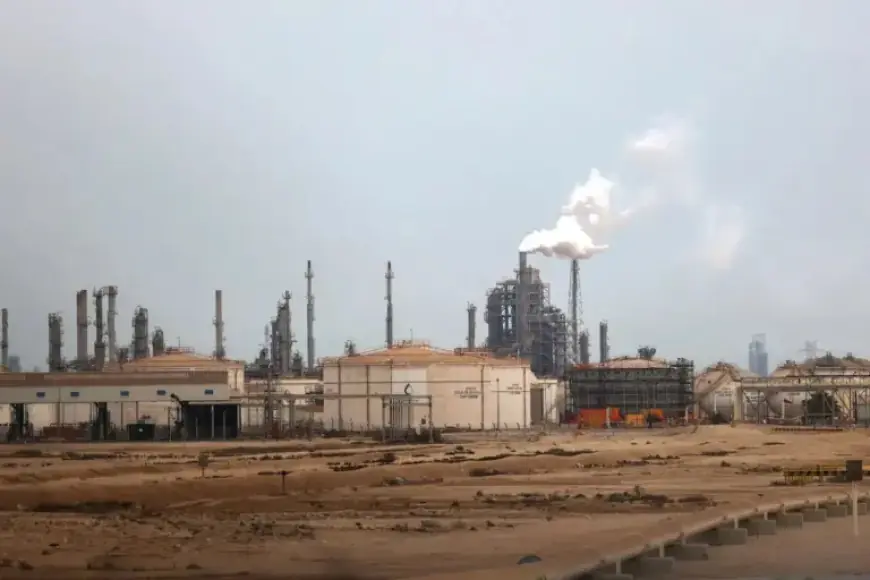
Oil prices have surged significantly as Qatar’s Energy Minister warning of a potential shutdown of Gulf energy production. This alarming news comes in light of increasing tensions in the region, particularly affecting the crucial Strait of Hormuz.
Rising Tensions in the Gulf
Qatar’s Minister of Energy, Saad al-Kaabi, expressed grave concerns about the future of energy exports from the Persian Gulf. In an interview with the Financial Times, he indicated that Gulf producers might have to declare force majeure within days. This declaration would relieve them from contractual obligations to supply crude and liquefied natural gas (LNG), mainly due to security threats in the region.
Impact on Oil Prices
- Brent crude oil prices rose above $94 a barrel, a nearly 8.5% increase.
- West Texas Intermediate (WTI) jumped over 12%, reaching $90.90 a barrel.
- Analysts predict crude prices could hit $150 a barrel if tensions escalate.
Economic Concerns
Al-Kaabi warned that prolonged conflict could stifle global economic growth. He noted that energy price surges could create shortages, disrupting factory production worldwide. This outlook has alarmed investors, leading to a sell-off in stock markets.
Market Reactions
- The S&P/TSX Composite Index in Canada fell by 1.6%, losing 526.25 points.
- Major U.S. indices, including the Dow Jones Industrial Average and S&P 500, also witnessed declines.
The reduction in oil production is already visible, with Kuwait reportedly reducing output due to rising storage levels.
Security Measures in the Gulf
In response to the escalating violence, U.S. President Donald Trump announced measures to secure shipping routes. This included providing discounted political risk insurance for commercial vessels operating in the Gulf and deploying the U.S. Navy to escort tankers.
Strait of Hormuz at a Glance
The Strait of Hormuz is a vital chokepoint for global oil and LNG transport.
| Width | Global Oil Transport |
|---|---|
| 33 kilometers | Approximately 20% of the world’s oil passes through this strait. |
Conclusion
As conflict in the Middle East escalates and tensions persist, the energy market braces for further disruptions. With the threat of force majeure declarations looming, the potential for soaring oil prices remains a significant concern for global economies. Investors will closely watch developments as markets prepare for reopening after the weekend.