

























Maintaining Open Strait of Hormuz: Critical High Stakes Involved

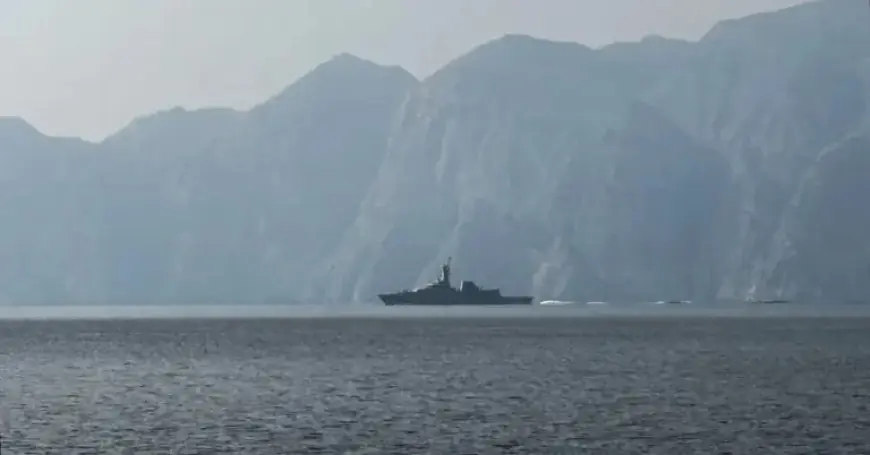
Recent developments surrounding the Strait of Hormuz highlight the critical stakes involved in maintaining open shipping routes amid rising geopolitical tensions. The Strait, a vital corridor for global energy supplies, faces disruption due to Iranian military actions.
Strait of Hormuz: A Crucial Energy Corridor
The Strait of Hormuz is crucial for the global oil and natural gas supply, facilitating transport for a significant percentage of the world’s energy needs. As tensions escalate in the Middle East, this strategic passage has become a focal point for international trade and security.
Current Events in the Region
The ongoing conflict involving U.S. and Iranian forces has created unease in the Gulf states. Iranian forces have reportedly intensified their efforts to leverage control over energy transportation. This situation threatens to disrupt energy shipments, with potential ramifications for the global economy.
Rising Oil Prices
- Brent crude oil prices surged to $84 a barrel recently.
- This marks the largest two-day increase in prices since 2020.
- Concerns about energy supply disruptions are influencing market volatility.
Analysts are closely monitoring the implications of these developments. South Korea’s Kospi index recently fell by 12%, highlighting regional economic vulnerabilities tied to Gulf energy imports. Amidst this backdrop, U.S. stocks experienced fluctuations in response to these developments.
U.S. Government Response
In light of the disturbances, President Trump proposed a plan to enhance maritime security in the Strait. Suggestions included deploying naval escorts to ensure safe passage for commercial vessels. Additionally, the U.S. International Development Finance Corporation aims to support shipping companies to mitigate market instability.
Concerns Over Defense Capabilities
Industry experts have expressed skepticism about the feasibility of Trump’s proposals due to the military’s limited naval assets in the region. The costs associated with bolstering missile defense systems are significant. In early conflict scenarios, it was reported that the U.S. spent over $10 billion on air-defense systems.
- THAAD interceptors: $12.7 million per missile
- Patriot missiles: $3.7 million per missile
As drone strikes and other military challenges intensify, U.S. defense stockpiles face strain. This depletion raises concerns for allies like Taiwan and NATO, who rely on U.S. defense assistance for their security needs.
Conclusion
Maintaining open passage through the Strait of Hormuz remains a critical international concern. The balance of power and economic stability hinges on ensuring safe energy transport in the face of rising geopolitical tensions. Continued developments will be closely watched for their impact on global markets and regional security dynamics.