

























Asian Tech Stocks Tumble Amid Oil Shock Fears; European Selloff Eases

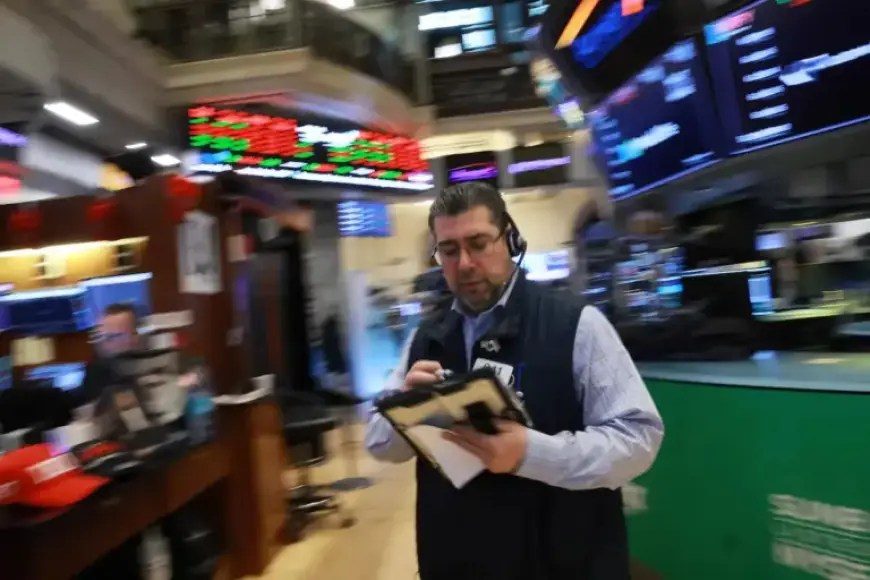
Global stock markets experienced significant volatility recently amid concerns of an escalating conflict in the Middle East. This turmoil has sparked fears of an oil price shock, negatively impacting Asian tech stocks while European markets showed signs of stabilization.
Asian Tech Stocks Hit Hard
Amid rising oil prices, Asian markets witnessed substantial declines. The Korean stock market, particularly, faced a record-breaking crash as investors offloaded shares from semiconductor companies.
- Japan’s Nikkei index fell by 3.6%.
- Taiwan’s stock market dropped by 4.3%.
These losses occurred as fears grew that the Middle East conflict would drive up oil prices, contributing to inflation and delaying potential interest rate cuts.
Impact on Oil Prices
Oil prices surged significantly in this context. Brent crude reached $84.07 per barrel, rising by 3.3%. Meanwhile, U.S. West Texas Intermediate crude rose by 3%, reaching $76.80 per barrel. This upward trend has been attributed to the ongoing U.S.-Iran conflict, raising concerns among investors.
Market Reactions
European markets, in contrast, paused their selloff with Europe’s broad STOXX 600 index rising by 0.6% after substantial losses earlier in the week. Analysts indicated that price movements may stabilize if oil prices do not continue to rise dramatically.
- European stocks had a two-day decline of 4.6%, the largest since April 2025.
- Oil prices have increased by approximately 5% over two sessions.
Despite the overall trend, the S&P 500 in the U.S. managed to mitigate some losses, decreasing by only 0.9%. However, concerns remain about the regional instability affecting global economic conditions.
Investor Sentiment
Experts suggested that investor confidence is shaken. “Risk sentiment will remain tempered until we see signs of de-escalation,” noted George Davis, chief technical strategist at RBC Capital Markets.
As the situation evolves, key economic data releases will be critical for shaping market expectations moving forward. Investors are closely monitoring developments in the Middle East to gauge their potential impact on inflation and interest rates.