

























EverWind Secures Funding for Nova Scotia Wind and Hydrogen Initiatives

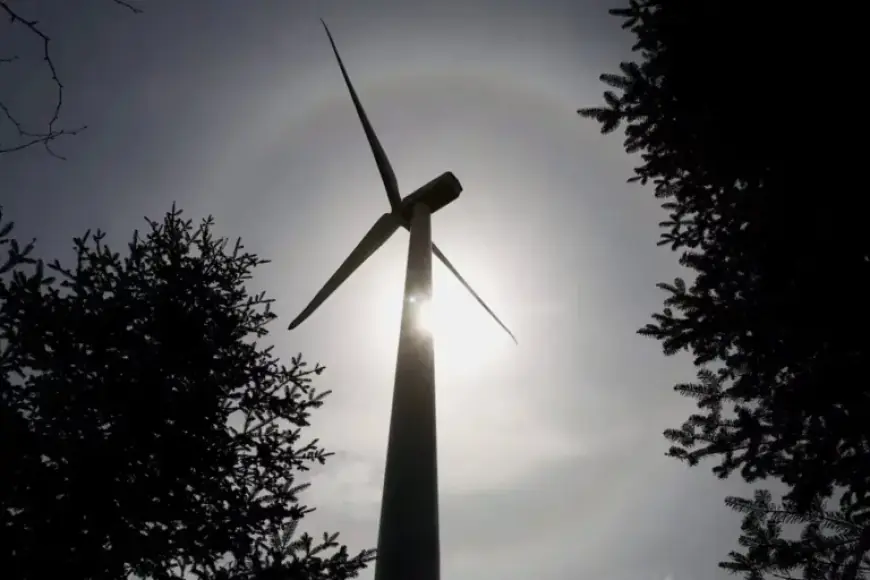
EverWind Fuels, a wind energy company operating in Nova Scotia, has successfully obtained $240 million in financing to establish onshore wind farms and a groundbreaking green hydrogen project. This initiative, poised to be the first of its kind in Atlantic Canada, is backed by local Indigenous communities.
Investment and Project Details
The funding, provided by Nuveen Infrastructure Credit, an investment manager based in New York, will facilitate the first phase of wind turbine installations. Trent Vichie, CEO of EverWind, stated that these projects are crucial for powering a hydrogen and ammonia plant planned in Richmond County, Cape Breton.
While EverWind has not finalized customers for its hydrogen production, there is notable interest from Germany concerning potential Canadian exports. “We’re excited to receive this backing from an experienced institutional investor,” Vichie commented, emphasizing the importance of this financial milestone.
- The financing will generate 100 long-term skilled jobs.
- It will create 500 construction jobs and over $1 billion in local procurement opportunities.
Wind Energy Capacity
The initial phase incorporates four wind turbine projects across Nova Scotia, collectively capable of producing over 650 megawatts of electricity. This output can power approximately 200,000 homes and will be integrated into the provincial power grid to support EverWind’s hydrogen and ammonia facility.
The wind energy is expected to commence flowing in 2028, with the hydrogen plant projected to start operations a few years later. The output is anticipated to yield about 200,000 tonnes of clean ammonia annually—an essential means for transporting hydrogen over long distances.
Future Plans and Community Involvement
EverWind has plans for a second phase, which includes an additional wind farm and dedicated transmission lines. This phase could potentially augment production by 800,000 tonnes of ammonia each year.
Significantly, an Indigenous consortium, led by the Membertou First Nation in Cape Breton, owns 51% of the initial wind portfolio. The Paqtnkek and Potlotek First Nations are also key partners in this venture, highlighting the project’s community-focused approach.
- Membertou Chief Terry Paul described the financing as a historic progression for clean energy projects, emphasizing economic opportunities for Indigenous communities.
Additional Context and Support
The project is part of a larger investment of over $2 billion planned for the initial phase. Currently, land clearing is underway for the Windy Ridge project, featuring 47 turbines situated 30 kilometers northwest of Truro, Nova Scotia.
In related news, the European Union has pledged €200 million to bolster renewable hydrogen production in Canada, a commitment that could catalyze further financial support from the Canadian government. A bilateral declaration regarding hydrogen collaboration was made in 2022 between former Prime Minister Justin Trudeau and former German Chancellor Olaf Scholz.
Looking ahead, auctions for Canadian hydrogen supply rights are slated for 2027, allowing suppliers to offer up to 300 megawatts of capacity to German buyers.
Challenges Ahead
Despite the optimistic outlook, hydrogen projects in Atlantic Canada face hurdles. Recently, the Newfoundland and Labrador government indicated it was owed over $34 million in land reserve fees from several companies, including EverWind. Ongoing discussions continue with the authorities regarding these matters as the industry navigates its path forward.
With clean energy initiatives gaining momentum, EverWind’s commitment to renewable resources positions it as a pivotal player in the Atlantic Canadian energy landscape.