

























Wall Street Fears Prolonged Iran Conflict, Stocks Plummet

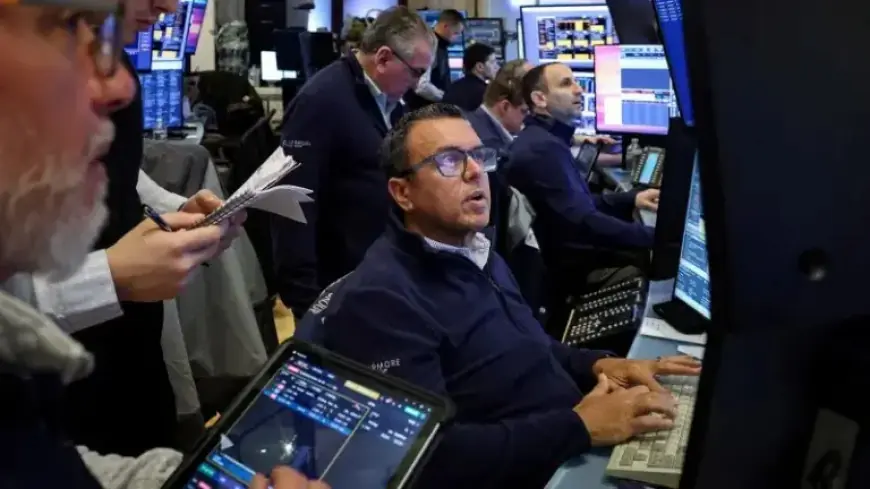
Global stock markets are experiencing significant volatility as investors react to escalating tensions in the Middle East. The ongoing conflict has caused widespread concern, leading to a sharp decline in U.S. stock indices.
Wall Street Plummets Amid Iran Conflict Concerns
On Tuesday, the Dow Jones Industrial Average fell by 1,140 points, reflecting a decrease of 2.33%. Similarly, the S&P 500 and the technology-heavy Nasdaq Composite dropped 2.1%. The VIX, Wall Street’s fear gauge, surged by 22%, reaching its highest point in three months.
International Markets Downturn
Markets across Europe and Asia also experienced declines for the second consecutive day. Key statistics include:
- Europe’s Stoxx 600 index fell by 3.2%.
- Japan’s Nikkei 225 index dropped by 3.06%.
- South Korea’s Kospi index tumbled by 7.24%, marking its worst performance since April.
Uncertain Military Operations
As military actions escalate, U.S. President Donald Trump expressed uncertainty about the extent and duration of necessary operations in a letter to Senator Chuck Grassley. Israel has confirmed it is conducting simultaneous strikes in Tehran and Beirut. These strikes are aimed at Iranian military locations and the Hezbollah group.
Reports indicate that U.S. embassies in Saudi Arabia and Kuwait have faced attacks amid the conflict. Furthermore, non-emergency personnel from U.S. government agencies in several Middle Eastern countries, including Jordan and Bahrain, have been ordered to leave due to heightened security risks.
Impact on Oil Prices
Investors are wary of rising oil prices after Iran declared intentions to target any vessels attempting to navigate the Strait of Hormuz. This crucial waterway accounts for nearly 20% of global oil supply, causing vessel operators and insurance companies to hesitate in sending ships through the area.
- U.S. crude oil prices increased by 8% to $76.91 per barrel, following a 6.3% rise the previous day.
- Brent crude, the global benchmark, climbed by 7.6% to $83.65 per barrel, its highest level since July 2024.
Market Reactions and Safe Haven Assets
Safe haven assets displayed mixed results. The 10-year Treasury yield rose, as investors opted to sell bonds, reflecting concerns over potential inflation driven by higher oil prices. The U.S. dollar index gained 0.98%, fueled by speculations that inflation could delay Federal Reserve rate cuts.
- The dollar index has risen nearly 1.8% this week.
- Gold prices fell by 5%, reversing gains made in previous days.
- European natural gas futures surged by 24%, while U.S. natural gas futures increased by 6.3%.
As tensions in the Middle East continue to unfold, traders remain anxious. Market developments will be closely monitored for updates.