





















Starmer Allows US Use of British Bases for Defensive Strikes as RAF Akrotiri Is Hit

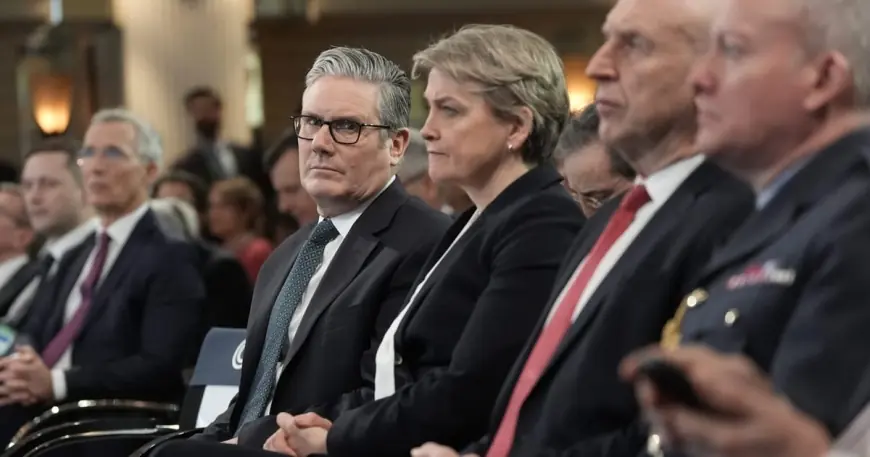
Prime Minister starmer has agreed to a US request to use British military bases for what he described as a "specific and limited defensive purpose" against Iranian missile sites, a move framed as protecting British lives after a wave of retaliatory attacks. The decision comes as a British RAF base in Cyprus was struck late on Sunday, underlining an immediate security threat to UK forces and citizens in the region.
Starmer decision on RAF Fairford and Diego Garcia
The prime minister said the United Kingdom would permit the United States to use RAF Fairford in Gloucestershire and Diego Garcia in the Indian Ocean for strikes aimed at destroying missile storage depots and launchers "at source. " Starmer stressed the UK was not involved in the initial US and Israeli strikes that killed Iran’s supreme leader, Ayatollah Ali Khamenei, and said the country "will not join offensive action now. " He framed the permission as an act of collective self-defence and said the government had published a summary of its legal advice, asserting the move complies with international law.
RAF Akrotiri drone strike and immediate security impact
Just hours after the prime minister’s announcement, RAF Akrotiri in Limassol, Cyprus, was hit by a suspected drone around midnight local time (22: 00 GMT). The Ministry of Defence assessed that the incident caused minimal damage and there were no casualties. Investigations are under way to establish the origin of the drone. The incident formed part of a wider pattern of Iranian reprisals that, ministers say, have threatened British troops and citizens across the region.
John Healey warns of a "very real and rising threat"
Defence Secretary John Healey described the Iranian regime as "evil" and said its actions pose a growing danger, including the sponsorship of at least 20 plots to attack the UK and involvement in proxy wars. Healey declined to rule on the legality of the US and Israeli strikes, saying the legality was for the US to set out and explain, and he would not be drawn on earlier reports that the UK had declined to allow use of its bases. He said the government’s role now was to act defensively, and that UK military aircraft were active in the Middle East to protect British citizens and interests, shooting down missiles that could threaten them.
Political reactions from Nigel Farage, Zack Polanski and Emily Thornberry
Domestic political pressure has been intense and cross-party. Reform UK leader Nigel Farage called the decision "better late than never, " accusing the prime minister of being "a follower, not a leader. " Green Party leader Zack Polanski condemned the move, saying starmer had jumped into "yet another Middle East illegal war, " and earlier described the US and Israeli strikes as illegal. Emily Thornberry, chair of the parliamentary foreign affairs committee, said the attack was a breach of international law and welcomed the UK’s non-involvement in the initial strikes. Shadow foreign secretary Priti Patel said it was "astonishing" that the prime minister did not offer more support to the US and Israeli operation.
Wider regional effects: stranded Britons, shipping incidents and escalating reprisal attacks
The government is also managing the fallout for civilians and commerce. Tens of thousands of Britons were left stranded in Gulf states amid airspace closures. Commercial risks have materialised too: a Gibraltar-flagged oil tanker was struck by an unknown projectile in the Strait of Hormuz near the United Arab Emirates on Sunday, though the United Kingdom Maritime Trade Operations Centre said the vessel was able to proceed after a fire was extinguished. Ministers say Iran has struck at US assets and countries hosting US forces, including Bahrain, Qatar, the United Arab Emirates, Kuwait and Iraq, and has carried out attacks described by Healey as indiscriminate — against hotels in Dubai and Bahrain and an airport in Kuwait.
Legal and parliamentary pressure
Parliamentary scrutiny and legal questions have followed the government’s move. The Liberal Democrats have demanded MPs be given a say on allowing US use of British bases. Starmer invoked lessons from the "mistakes of Iraq" in explaining the UK’s stance and published a summary of legal advice to justify the limited permission. The shift in posture has been criticised by some transatlantic voices too: US politicians including Lindsey Graham derided the UK’s initial joint response with France and Germany as "pathetic, " while former Foreign Office permanent secretary Peter Ricketts said the US would have expected the UK to take the position it did.
What makes this notable is the tightrope the government is walking: sanctioning access to UK infrastructure for narrowly defined strikes while insisting it did not partake in the operation that killed Khamenei, a calculation that seeks to balance legal, military and political pressures at home and overseas. The timing matters because the permission was announced hours before a direct attack on a British airbase, illustrating how swiftly strategic decisions have immediate tactical consequences.