

























El Salvador Justice System Faces Resignation Shake-up

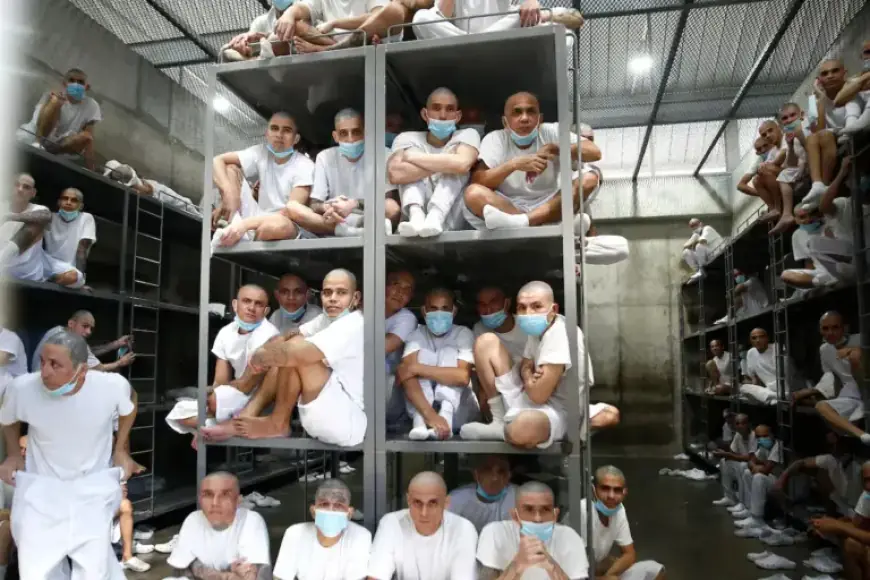
Tens of thousands of people arrested under El Salvador’s state of exception were not listed as gang members. That gap raises urgent questions about how suspects are identified. The change to the constitution now allows life sentences for certain crimes.
Mass arrests and new penalties
Authorities have carried out mass detentions that exceed one percent of the population. The law now permits life imprisonment without a clear pathway for review. Critics say the reform was adopted rapidly and without broad debate or institutional checks.
Legal process under strain
Courts have handled collective trials and limited procedural guarantees. These restrictions affect defendants’ access to fair review and due process. The cumulative effect shifts the system toward permanent punishment.
Consequences for justice
The shift abandons a rehabilitation-focused model in favor of an absolute punitive approach. If many detainees were not previously identified as gang members, innocent people may face life terms. That risk underlines how errors can become irreversible under new rules.
Political framing and public reaction
President Nayib Bukele’s government frames these measures as responses to decades of violence. A historic drop in homicides has increased public support for the administration. Dissent is often portrayed as defending criminal actors.
Regional parallels and long-term risks
Security built on concentrated power and weak oversight has troubled precedents in Latin America. Filmogaz.com analysis warns such models can hollow out democratic safeguards. As El Salvador Justice System Faces Resignation Shake-up, international attention is growing.
The central question now is whether reduced violence can coexist with a robust rule of law. When punishment becomes absolute and controls vanish, the core nature of the state is at stake.