




















Olivia Dean's four-win sweep reshapes the Brit Awards — who felt it first

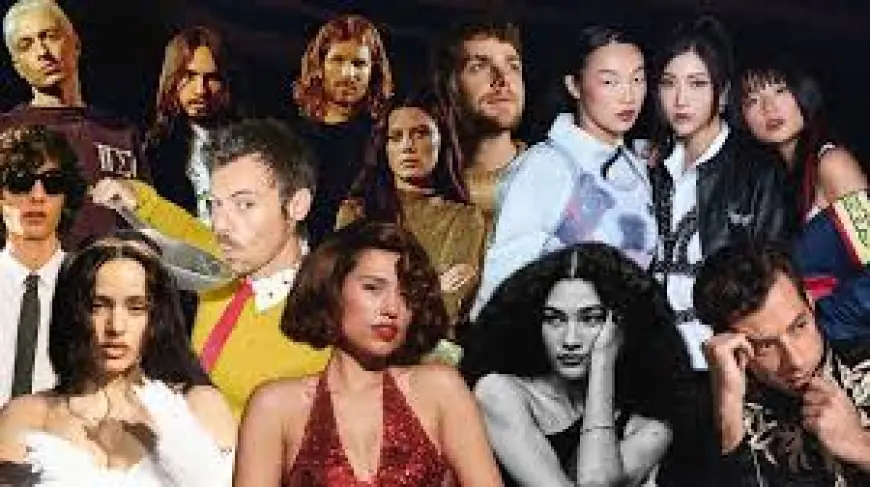
Fans and fellow musicians felt the shift immediately: olivia dean left the ceremony with every prize she was up for — artist of the year, song of the year, best pop artist and best album for The Art Of Loving — and walked on stage three times, visibly overwhelmed. That clean sweep amplified the emotional core of the night and punctured expectations about what a pop awards show can crown and reward.
Olivia Dean's sweep: who felt it on and offstage
Who felt the change first? The audience in the room, other nominees and programming teams. The singer’s fourth win was framed as a confirmation of the album’s cosmopolitan reach and the spirited performance of Man I Need, where Dean leaned into the tune’s syncopations and visible delight in performing. Her short, grateful exit from the podium underscored an immediate cultural uplift: a moment framed as both celebration and quiet breath for the artist and her team. Lola Young also accepted an award on the night, sharing the stage spotlight with Dean’s multiple appearances.
Performance highlights and theatrical turns
Here’s the part that matters for viewers: the live setlist read like a catalogue of theatrical extremes. Rosalía — arguably the least familiar name in the lineup for some — delivered Berghain as a dramatic, multi-part scene. The number opened with thunderous strings and Wagnerian vocal touches, shifted tempo three times, added a guest verse from Björk and finished with a club-style breakdown; the staging included Björk in an outlandish blue-alien costume. That sequence was widely described on the night as audacious and left the room spellbound. The set was also made available to watch online.
Openers, choreography and a UK No 1 single in flux
Harry Styles opened the show with Aperture, performing in what was styled as a school-uniform look in a Chanel pin-striped suit with a notably high waistband. Despite physical tightness, he recreated the video’s fluid, technically challenging choreography, jiving with his band and backing singers alongside dancers in snail T-shirts and sunglasses. The single had been a UK No 1 in its release week and is now moving down the charts; the stage presentation was cast as a way to launch a new era described on stage as Kiss All The Time, Disco Occasionally, with production choices pushing toward a clubbier sound.
- Four wins for Olivia Dean across the main categories — artist, song, pop artist, album.
- Rosalía’s Berghain staged as a three-act piece with a guest verse from Björk and a club finale.
- Harry Styles opened with Aperture, performing complex choreography in a high-waisted Chanel suit.
- Ronson received the outstanding contribution to music award and performed alongside Ghostface Killah, then moved into Amy Winehouse material.
- Surprise guest Dua Lipa joined for Dance the Night and Electricity; Bruno Mars did not perform Uptown Funk at the ceremony.
Winners, awards dynamics and on-stage theatrics
The night’s awards were only half the story: out-of-control wardrobes, odd behaviour and dazzling performances broadened the headline winners. Olivia Dean’s album was repeatedly lauded for its material and emotional range; the win tally was framed as the night’s decisive moment. Rosalía won best international artist and spoke about bringing her music far from home and sharing it with peers who make music in Spanish. CMAT, up for the same prize, played the loss for cameras with mock tears. Ronson’s outstanding-contribution prize was accompanied by a set that traced his eclectic career — scratching vinyl as Ghostface Killah ran through Ooh Wee and then moving into the Amy Winehouse-era material that has shaped other artists’ arena sounds.
Edgier sidelines: censors, protests and political unease
The ceremony felt relatively edgy and protest-filled, leaving broadcast censors scrambling at times. Some artists used the stage to voice alarm about political developments, including concerns over the rise of Reform UK. Those tensions threaded through the night alongside elaborate staging and surprise celebrity appearances, creating a texture that was part celebration, part cultural skirmish.
If you’re wondering why this keeps coming up, it’s because the ceremony married spectacle with a streak of urgency — artists were using big stages for performance and comment in equal measure.
What’s easy to miss is how much the night doubled as a reminder that awards can accelerate careers and amplify themes: Dean’s wins underline a specific appetite for emotionally rich, cosmopolitan pop, while the more theatrical sets signaled a live-music return to spectacle rather than pure radio play.
Standout songs and emotional peaks
Raye’s Nightingale Lane — a song about the London street where she watched her first love walk away — was performed as a raw, climactic outpouring, ending in a wordless, powerful vocal expulsion of pain. Other memorable moments included a surprise appearance by Dua Lipa and a guest turn that threaded classic influence into contemporary staging.
The real question now is how the industry responds to a night that rewarded both intimate songwriting and daring stagecraft; for artists and fans alike, the ripples start tonight and will show up in setlists, festival bookings and headline campaigns in the months ahead.
A brief aside: the balance between intimate songwriting and maximal staging felt especially pronounced this year, and that tension may well shape how nominees approach live shows going forward.