

























Punch Monkey Update: Japan's Viral Baby Macaque Finds Big Brother and Eats Alone for the First Time

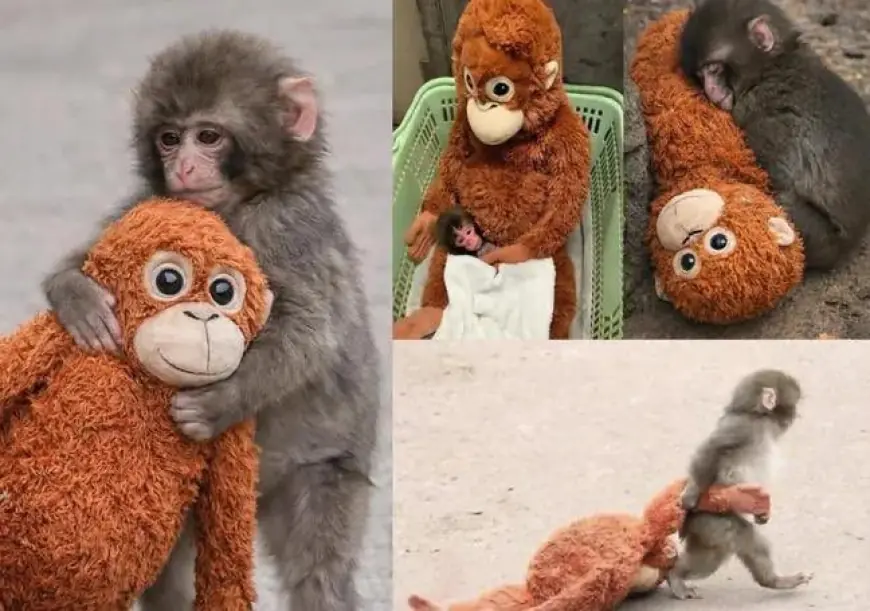
Punch, the seven-month-old Japanese macaque at Ichikawa City Zoo in Chiba Prefecture whose emotional bond with a stuffed orangutan toy turned him into a global sensation, has made his most significant social breakthrough yet. As of February 23, keepers confirmed Punch was playing with other baby monkeys and came down from a keeper's foot on his own during mealtime to eat by himself — a milestone that matters enormously, given that for the first five months of his life, Punch clung to his keepers during meals rather than eating alongside the other monkeys.
New footage shows Punch staying close to a larger male macaque and following it around the enclosure, with keepers noting: "This big monkey has accepted Punch, and Punch has completely grown attached." The internet has taken to calling this older macaque Punch's big brother.
How the Punch Monkey Story Went From a Single Zoo Post to a Global Sensation
Punch was born on July 26, 2025, and rejected by his mother shortly after birth. Keepers provided soft comfort items, and Punch quickly bonded with a plush IKEA DJUNGELSKOG orangutan — a relationship that turned him into a social media star and drew surging crowds to the zoo.
He was integrated into Ichikawa City Zoo's Monkey Mountain — home to around 60 macaques — on January 19, 2026. Despite occasional scolding from adult monkeys, keepers described him from the start as "mentally strong" and very outgoing.
On February 5, 2026, the zoo made an online post about Punch's backstory, which became an overnight sensation. More images of Punch with the orangutan plushie went viral in Japan and abroad, and the hashtag #HangInTherePunch began circulating online. The stuffed toy was nicknamed "Oran-Mama" by fans — a portmanteau of orangutan and mother.
The IKEA DJUNGELSKOG plush began selling out in several countries and was being resold online for upwards of $350. On February 17, IKEA's CEO personally visited Ichikawa City Zoo and donated 33 replacement stuffed toys to Punch and the wider zoo.
What Scientists Say About Punch's Long-Term Welfare and Future in the Troop
The viral clips showing Punch being shoved and dragged by adult macaques prompted significant concern online — and a wave of calls for him to be removed from the troop or adopted privately. Primate experts have pushed back firmly on both ideas.
Dr. Emily Bethell, associate professor in primate cognition and welfare at Liverpool John Moores University, said keepers would closely monitor Punch and continue testing approaches to keep him with the group, because that is best practice. She emphasized that the bigger risk is the long-term psychological impact of social isolation after abandonment, including missed developmental opportunities to learn the social behaviors needed to navigate macaque hierarchies.
The zoo has been clear about why they are not making radical changes to Punch's environment: "Making a radical change to the monkey mountain environment would upset the macaques and may lead to Punch being bullied," their official statement said. Four private rooms at the back of the enclosure, out of public view, are always available for Punch to retreat to when he needs space.
Keepers say they will know Punch is truly thriving when he finally puts down his beloved stuffed toy — and that day, they believe, is approaching. "Recently, he's been spending less time with the stuffed toy day by day, and he's interacting with the other monkeys more. If things carry on like this, I think there will come a day when he no longer needs his stuffed toy."
Punch the Monkey's Impact Beyond the Zoo
On February 27, Google added a search animation to queries about Punch, showing an animated monkey icon and showering bright pink hearts from the top of the screen. The gesture marked one of the few times the search engine has added a live animation for an animal story rather than a major global event.
Punch was named after Monkey Punch, the manga artist who created Lupin the Third. One fan captured the collective mood on X: "I follow Punch updates more than the Olympics… it's really so serious."
Wildlife charity Born Free has raised a cautionary note amid the celebration, warning that viral animal content risks fueling demand for macaques as pets — a pattern commonly seen when wild animals go viral, and one that experts say is counterproductive to conservation. Japan prohibits keeping Japanese macaques as pets without special permission, and expert opinion is united that macaques make terrible pets regardless of jurisdiction.